

Toxic Chemicals in Conventional Laundry Detergents
Conventional laundry detergents are defined by their widespread use of synthetic surfactants, fragrances, and chemical additives that carry documented health and environmental risks. The average American household runs about 8 loads per week, meaning skin contact with detergent residues is nearly constant. Chemicals like 1,4-dioxane, phthalates, and optical brighteners appear in major brands including Tide and Gain, yet most consumers have no idea they are there. Knowing the common toxic laundry ingredients list is the first step toward making a genuinely safer choice for your family and the environment.
1. What are the toxic chemicals in conventional laundry detergents?
The harmful laundry detergent ingredients most worth knowing fall into six main categories. Each one carries a distinct risk profile, and several appear in products marketed as everyday household staples.
1,4-Dioxane 1,4-Dioxane is a manufacturing byproduct, not an intentional ingredient. It forms when surfactants undergo a chemical process called alkoxylation, which adds oxygen-containing groups to make them water-soluble. Because it is a byproduct rather than an added ingredient, it never appears on labels. New York State classifies it as a probable human carcinogen and limits it to 1 part per million in consumer products.
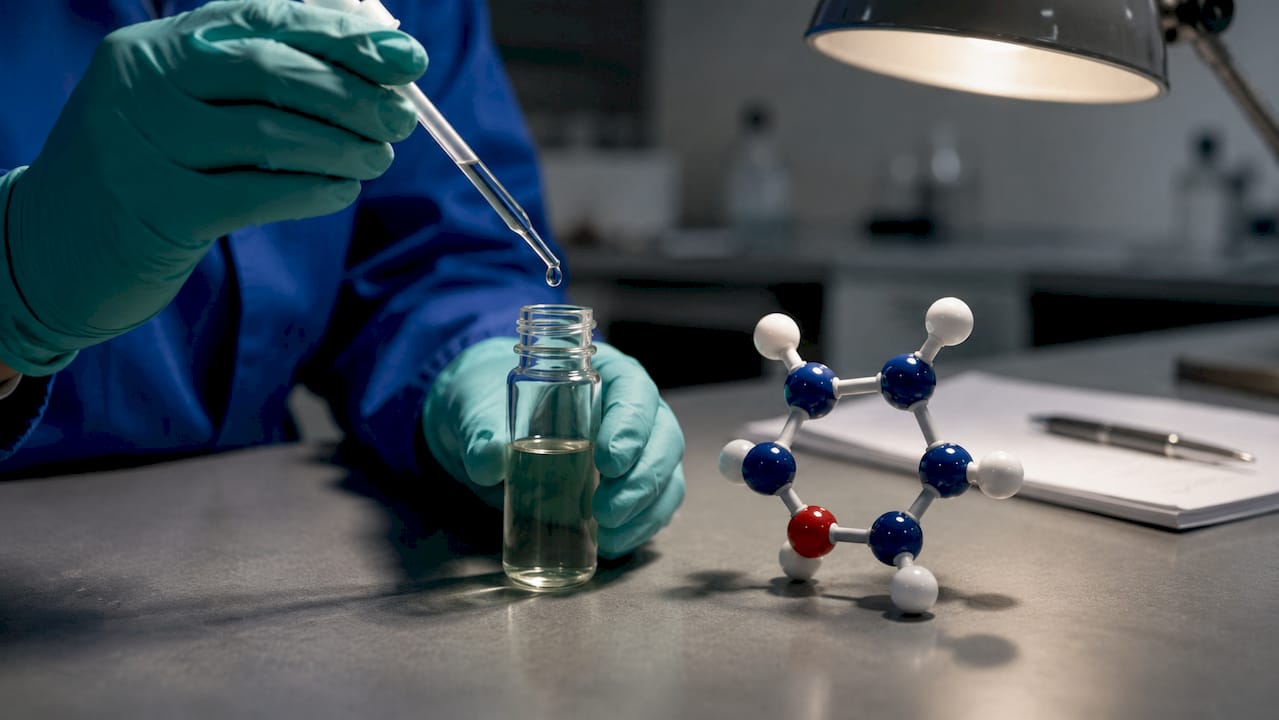
Synthetic fragrances A single “fragrance” entry on a label can represent 50 to 75 undisclosed chemicals, including phthalates. That number matters because phthalates are documented endocrine disruptors that interfere with hormone balance over time.
Sodium lauryl sulfate (SLS) and sodium laureth sulfate (SLES) SLS and SLES are surfactants that strip grease effectively but also strip the skin’s natural barrier. They are a leading cause of contact dermatitis, particularly in people with eczema or sensitive skin.
Optical brighteners Optical brighteners are UV-reactive dyes that make fabrics look whiter. They do not rinse out fully. Synthetic fragrances and optical brighteners cling to fabric fibers, prolonging direct skin contact and increasing the risk of irritation and allergic reactions.
Phosphates and alkylphenol compounds Phosphates cause algae blooms in waterways by overloading aquatic ecosystems with nutrients. Alkylphenol compounds, including alkylphenol alkoxylates, are hormone-disrupting surfactants banned in the European Union but still found in some American products.
Chlorine bleach Chlorine bleach releases volatile organic compounds (VOCs) during washing. Inhaling those vapors irritates the respiratory tract and can worsen asthma symptoms.
Pro Tip: When reading a detergent label, look for surfactant names ending in “-eth-” (such as laureth or myreth) or containing “PEG.” These signal that alkoxylation was used in manufacturing, which means 1,4-dioxane contamination is possible.
2. How do these chemicals affect your health?
Skin irritation is the most immediate effect of exposure to toxic substances in laundry soap. SLS, synthetic fragrances, and preservatives like methylisothiazolinone, which Tide and Gain both contain, are known allergens that trigger contact dermatitis. Children and people with eczema face the highest acute risk because their skin barrier is already compromised.
Chronic risks run deeper. Phthalates in fragrance mixtures accumulate in the body and disrupt estrogen and testosterone signaling. 1,4-Dioxane is classified as a probable human carcinogen, which is why New York State set a legal cap on its concentration. Formaldehyde-releasing preservatives, found in some detergent formulas, add a second carcinogenic exposure route.
Respiratory effects are often overlooked. Chlorine bleach and synthetic fragrance VOCs become airborne during the wash cycle and while clothes dry indoors. People with asthma or chemical sensitivities notice symptoms quickly, but even healthy adults accumulate low-level exposure over years of weekly laundry.
“Detergent ingredients are purposely designed to cling to fabric fibers, causing prolonged skin exposure to harmful chemicals long after the wash cycle ends.” — Eco Home Magazine
| Chemical | Primary health risk | Environmental risk | Regulatory status |
|---|---|---|---|
| 1,4-Dioxane | Probable human carcinogen | Groundwater contamination | Capped at 1 ppm in NY State |
| Phthalates | Endocrine disruption | Aquatic toxicity | Restricted in EU |
| SLS/SLES | Skin and eye irritation | Low aquatic toxicity | Widely permitted |
| Optical brighteners | Skin sensitization | Persistent in water | Unregulated in US |
| Phosphates | Minimal direct risk | Algae blooms, oxygen depletion | Banned in many US states |
| Alkylphenol compounds | Hormone disruption | Bioaccumulation in fish | Banned in EU |
3. Which conventional detergent brands contain harmful ingredients?
Tide, Gain, Persil, Arm & Hammer, and Cheer all use synthetic fragrances with undisclosed chemical loads. Gain is a particularly high-trigger source of VOC complaints from neighbors due to its heavy fragrance profile, which drifts through walls and ventilation systems. That is not a minor nuisance. It reflects a genuinely high concentration of airborne chemical compounds.
“Free and clear” versions of Tide and similar brands remove dyes and some fragrances, but many still contain SLS and preservatives that cause skin reactions. The label change is real but incomplete. Shoppers who switch to “free and clear” expecting a fully safe product often still experience irritation.
Laundry pods deserve special attention. Pods pose the highest chemical exposure risk because their concentrated liquid formula can cause chemical burns and poisoning if a child or pet bites into one. Their colorful design makes them attractive to young children, which compounds the danger.
- Tide — synthetic fragrances, methylisothiazolinone, SLS, potential 1,4-dioxane from alkoxylated surfactants
- Gain — high fragrance load with VOC emissions, optical brighteners, SLS
- Persil — optical brighteners, synthetic fragrance, alkoxylated surfactants
- Arm & Hammer — sodium carbonate irritants, synthetic fragrance, SLS
- Cheer — optical brighteners, synthetic fragrance, alkoxylated surfactants
Pro Tip: Mamavation publishes independent lab testing results for popular detergent brands, including 1,4-dioxane measurements. The Environmental Working Group (EWG) database also rates products by ingredient safety. Both are free to use and updated regularly.
4. What are safer, eco-friendly alternatives to conventional detergents?
The safest non-toxic laundry detergent options are products built without alkoxylated surfactants. Brands like Branch Basics, Blueland, and Meliora formulate without these compounds, which eliminates the 1,4-dioxane contamination risk entirely. They also skip synthetic fragrances, optical brighteners, and chlorine bleach.
Plant-based, fragrance-free, and plastic-free formats are the clearest markers of a genuinely lower-risk product. That said, some eco-labeled detergents still contain SLS or allergenic essential oils. Green marketing does not guarantee safety, so reading the full ingredient list remains non-negotiable.
Double rinsing your laundry reduces residual chemicals on fabric, which matters most for infants and people with sensitive skin. It is a useful short-term step, but it does not fully solve the problem. Switching to a cleaner formula is the more complete solution.
Laundry detergent sheets are one of the most practical formats for reducing chemical exposure. They are pre-dosed, dissolve completely, and eliminate the plastic bottle waste that comes with liquid detergents. Purecise’s plant-based detergent sheets skip synthetic fragrances and alkoxylated surfactants entirely, making them a direct answer to the concerns raised by conventional formulas.
| Criteria | Conventional liquid detergent | Eco-friendly powder | Detergent sheets |
|---|---|---|---|
| 1,4-Dioxane risk | High (alkoxylated surfactants) | Medium (varies by brand) | Low (alkoxylation-free options) |
| Synthetic fragrance | Common | Sometimes | Fragrance-free options available |
| Plastic packaging | Heavy (large bottles) | Moderate (cardboard) | Minimal (paper envelope) |
| Residue on fabric | High | Medium | Low |
| Skin sensitivity risk | High | Medium | Low |
Pro Tip: Search any detergent on the EWG’s Skin Deep database before buying. Products rated A or B meet the strictest ingredient safety standards. Avoid any product that lists “fragrance” without disclosing individual components.
Key Takeaways
Avoiding toxic chemicals in conventional laundry detergents requires choosing alkoxylation-free, fragrance-free formulas, because harmful residues from 1,4-dioxane, phthalates, and optical brighteners persist on fabric and accumulate in the body over time.
| Point | Details |
|---|---|
| 1,4-Dioxane is invisible on labels | It forms as a byproduct during manufacturing and only alkoxylation-free products eliminate the risk. |
| Synthetic fragrances hide dozens of chemicals | A single “fragrance” entry can represent 50 to 75 undisclosed compounds, including endocrine-disrupting phthalates. |
| Residues stay on fabric after washing | Optical brighteners and fragrance chemicals cling to fibers, extending skin exposure between washes. |
| “Free and clear” is not always safe | Many free-and-clear versions still contain SLS and preservatives that trigger skin reactions. |
| Detergent sheets reduce exposure | Alkoxylation-free, fragrance-free sheets like those from Purecise eliminate the most common chemical risks. |
What switching detergents actually taught me
When Purecise started developing its formula, the research into conventional detergent chemistry was genuinely alarming. The issue was not one bad ingredient. It was the layering of risks: a fragrance mixture hiding phthalates, an alkoxylated surfactant generating 1,4-dioxane, and optical brighteners designed to stay on fabric permanently. Each ingredient seemed defensible in isolation. Together, they created continuous low-level chemical exposure for anyone wearing the clothes.
The marketing language around “gentle” and “green” detergents made things worse, not better. A product can be plant-derived and still use alkoxylated surfactants. It can be dye-free and still carry a full synthetic fragrance load. The only reliable filter is the ingredient list itself, read with knowledge of what each compound actually does.
The practical shift that made the biggest difference was moving to a fragrance-free, alkoxylation-free format and adding an extra rinse cycle for items worn close to the skin. Reducing laundry frequency slightly, by wearing clothes a second time when appropriate, also cuts cumulative exposure. Small changes compound over weeks of washing.
The community benefit is real too. Detergent chemicals that go down the drain end up in waterways. Choosing cleaner formulas is not just a personal health decision. It is a contribution to reducing the chemical load on local water systems.
— Purecise
Purecise laundry sheets: a cleaner way to wash
Consumers who have spent time researching harmful laundry detergent ingredients consistently reach the same conclusion: the format matters as much as the formula.
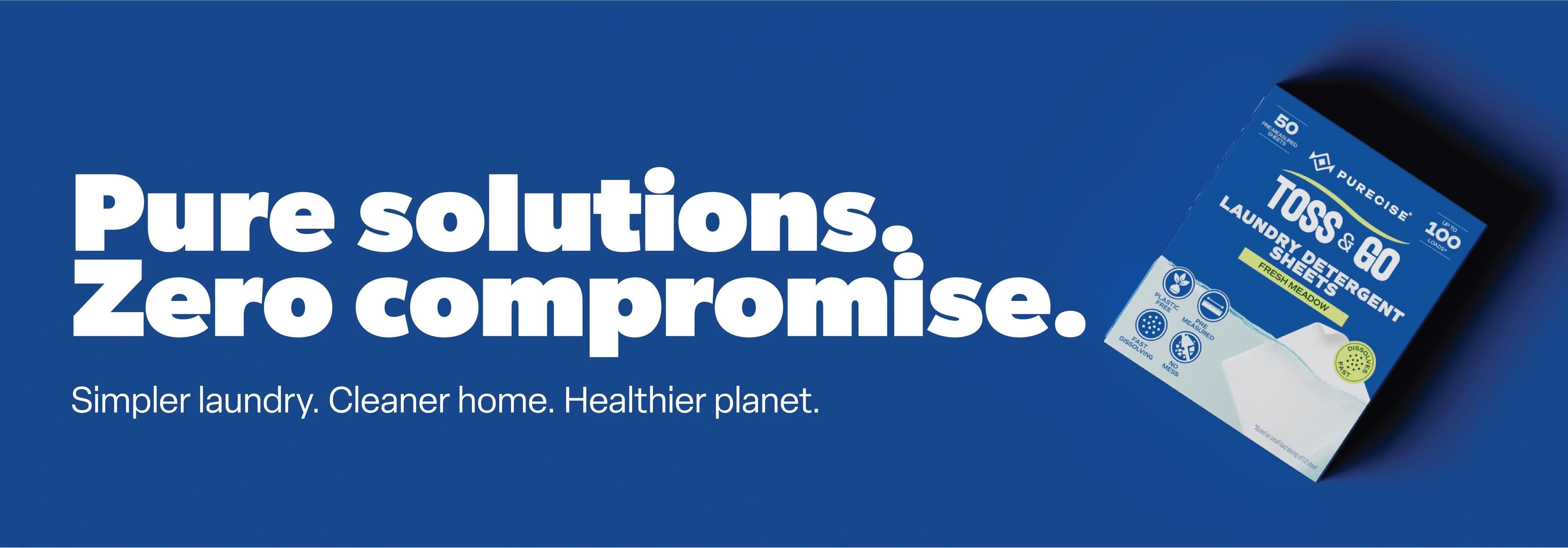
Purecise Toss & Go laundry detergent sheets are built without alkoxylated surfactants, synthetic fragrances, or optical brighteners. Each sheet is pre-dosed and dissolves completely in any water temperature, leaving no residue on fabric. The packaging is plastic-free, and a full month’s supply fits in a small envelope. For families with sensitive skin or anyone reducing their chemical exposure, the Purecise detergent sheets are backed by a 100% money-back guarantee. You can also explore the full Purecise sheet collection to find the right option for your household.
FAQ
What is 1,4-dioxane and why is it in laundry detergent?
1,4-Dioxane is a probable human carcinogen that forms as a byproduct when certain surfactants are manufactured using an alkoxylation process. It is not listed on labels because it is not intentionally added, making it invisible to consumers who read ingredient lists.
Are “free and clear” detergents actually safer?
Free-and-clear detergents remove dyes and some fragrances, but many still contain SLS and preservatives like methylisothiazolinone that cause skin reactions. They reduce some risks but do not eliminate the most common harmful laundry detergent ingredients.
How do synthetic fragrances in laundry detergent harm health?
A single fragrance entry on a detergent label can represent 50 to 75 undisclosed chemicals, including phthalates that disrupt hormone function. These compounds cling to fabric fibers and extend skin exposure long after the wash cycle ends.
Are laundry pods more dangerous than liquid detergent?
Laundry pods carry the highest chemical exposure risk because their concentrated formula can cause chemical burns and poisoning if contacted or ingested by children or pets. Their colorful design increases the likelihood that young children will handle them.
What is the safest alternative to conventional laundry detergent?
Alkoxylation-free, fragrance-free detergents from brands like Branch Basics, Blueland, Meliora, and Purecise eliminate the primary chemical risks found in conventional formulas. Detergent sheets in particular offer a low-residue, plastic-free format that reduces both health and environmental impact.
Recommended
Laundry Ingredients to Avoid for Sensitive Skin
Clean Laundry Ingredient Checklist: Your 2026 Guide
Related Posts

Remove Lipstick Stains: The First 15 Minutes, Plus Detergent Sheets

How Often to Wash Towels: Bath Weekly, Hand Towels Every Few Days

Detergent Allergy Rash: Test a Low Residue Wash Without Fragrance

Save Clothes From Mud Stains in 1–2 Hours With Premeasured Sheets

Fabric First Sweat Stain Fixes: Measured DIY Recipes and Sheets

Whiten White Clothes, No Chlorine: 4–8 Hour Soak, Premeasured Sheets

Remove Blood Stains from Clothes: Cold Water, Enzyme Soak, No Dryer


