

Sensitive vs. Regular Detergent: What's the Difference?
Sensitive laundry detergent is defined as a formula that removes fragrances, synthetic dyes, and chemical preservatives to minimize skin irritation, while regular detergent keeps those additives for scent, appearance, and shelf life. The core difference between sensitive and regular detergent comes down to what each formula leaves out, not what it puts in. Both types use the same cleaning enzymes and surfactants, so your clothes come out just as clean either way. If you or someone in your household deals with eczema, contact dermatitis, or general skin sensitivity, understanding this distinction is the most direct path to relief.
What ingredients separate sensitive from regular detergent?
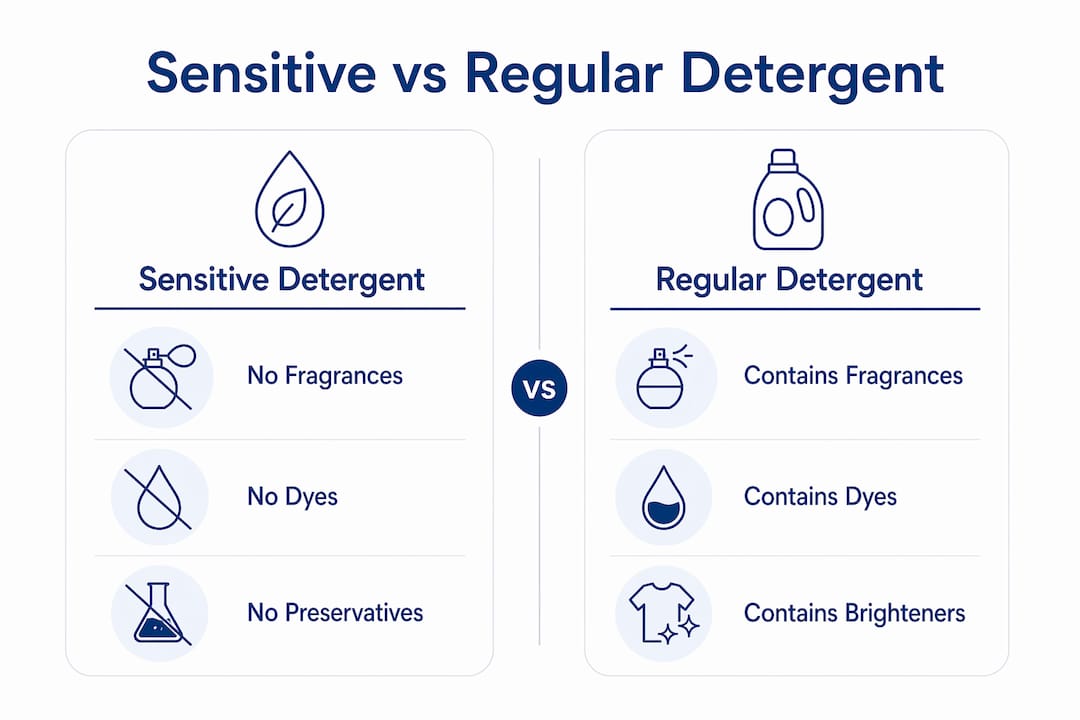
The gap between sensitive detergent vs regular comes down to four specific ingredient categories that regular formulas include and sensitive formulas drop.
Synthetic fragrances are the biggest offender. Fragrances cause 30–45% of all laundry detergent-related skin reactions according to dermatological guidance in 2026. That makes them the single leading irritant in laundry-related dermatitis. Sensitive detergents eliminate synthetic fragrance compounds entirely rather than reducing them.
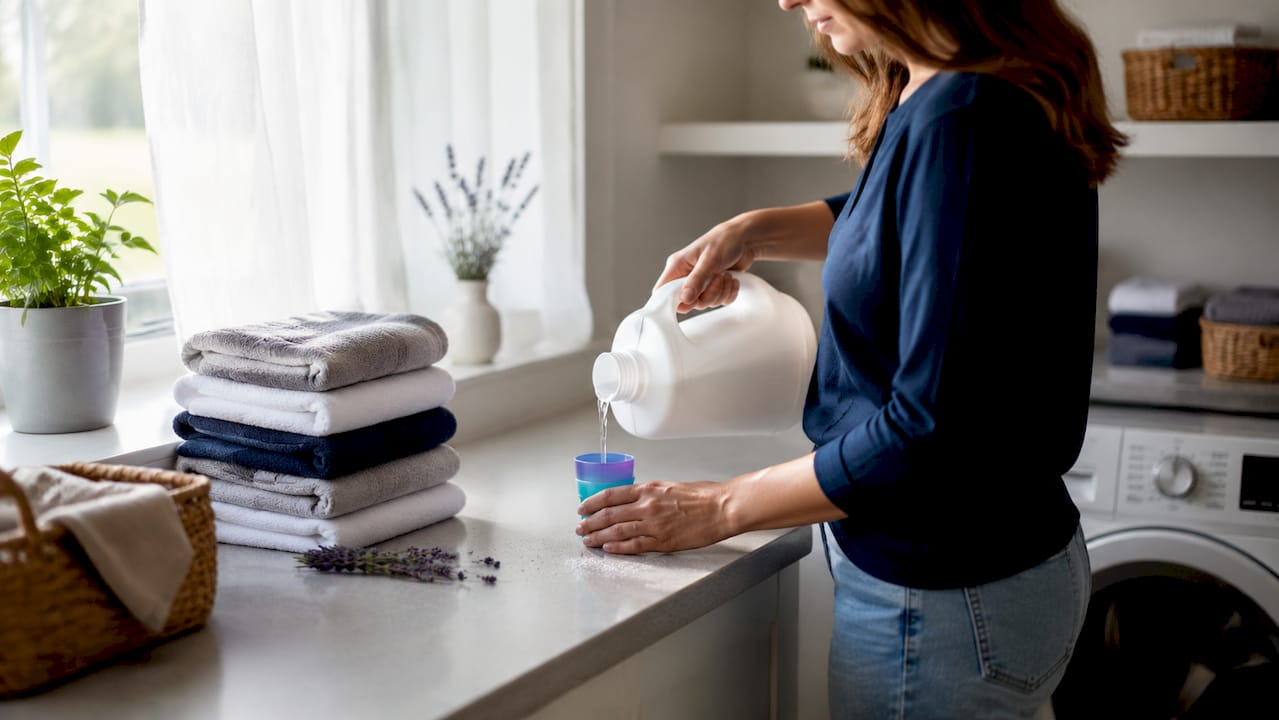
Dyes serve zero cleaning function. They exist only to make detergent look blue, green, or purple in the bottle. These colorants can trigger contact allergies when residue stays on fabric after washing.
Preservatives like methylisothiazolinone (MIT) keep liquid detergents stable on store shelves. The problem is that MIT and similar preservatives are well-documented skin sensitizers. Sensitive formulas either remove them or substitute gentler alternatives.
Optical brighteners are chemicals that coat fabric fibers and reflect UV light to make whites look whiter. They do not rinse out. Optical brighteners remain on fabric after washing and are a frequent cause of contact dermatitis, particularly for people who spend time outdoors in sunlight.
The key insight here is that none of these four ingredients clean your clothes. They are purely cosmetic or functional additives for the product itself, not for your laundry. Removing them costs nothing in cleaning performance.
Sensitive detergents in the hypoallergenic category, such as those certified by the National Eczema Association, are specifically formulated to exclude all four categories above.
Does sensitive detergent clean as well as regular?
This is the most common myth about the difference in detergent types, and the answer is straightforward: yes, sensitive detergents clean just as effectively.
Sensitive detergents use the same enzymes and surfactant technology as regular detergents. Enzymes like protease and lipase act as molecular scissors, breaking down protein and fat stains at the molecular level. Fragrance and dye play no role in that process. Removing them does not weaken the formula.
The one real trade-off involves optical brighteners. Without them, whites may not appear as bright under UV light. Your clothes are equally clean, but the visual “pop” that brighteners create is gone. For most people with sensitive skin, that is a worthwhile exchange.
| Feature | Sensitive Detergent | Regular Detergent |
|---|---|---|
| Stain removal | Equal to regular | Strong |
| Fragrance | None | Synthetic fragrance added |
| Dyes | None | Often present |
| Optical brighteners | Excluded | Typically included |
| Skin irritation risk | Low | Moderate to high |
| Best for | Sensitive skin, babies, eczema | General household use |
Pro Tip: If you are switching to a sensitive formula and notice your whites look slightly duller, run them through a wash with a small amount of baking soda. It brightens fabric naturally without adding irritants.
‘Fragrance-free’ vs. ‘unscented’: why the label matters
Label reading is the most underrated skill in choosing a sensitive skin laundry detergent. Two terms that look nearly identical actually mean very different things.
“Fragrance-free” means no fragrance chemicals are present in the formula at all. This is the label you want if you have sensitive skin. “Unscented” is not the same thing. Unscented detergents often contain masking fragrances added specifically to neutralize the chemical smell of the product. Those masking agents are still fragrance compounds and can still irritate skin.
The term “hypoallergenic” creates similar confusion. In the detergent category, hypoallergenic has no regulatory definition. Any brand can print it on a bottle without meeting a specific ingredient standard. It signals intent, not a verified formula.
Third-party certifications carry more weight than marketing claims. Look for these on the label:
- National Eczema Association Seal of Acceptance: Requires review of the full ingredient list against known irritants.
- SkinSAFE certification: A database-backed rating system that scores products against allergen databases used by dermatologists.
- MADE SAFE certification: Screens against a broad list of known harmful chemicals.
One more trap to avoid: “plant-based” or “natural” detergents. Plant-based detergents often include allergenic essential oils like lavender and citrus, which trigger skin reactions despite their natural branding. Natural origin does not equal non-irritating. Prioritize chemical simplicity and the absence of dyes, perfumes, and brighteners over any “natural” claim.
Pro Tip: Before buying any detergent marketed as gentle, search the product name on the SkinSAFE website. It cross-references ingredients against allergen databases used by dermatologists and gives you a clear safety rating in seconds.
Laundry habits that reduce skin irritation
Switching detergents is only half the solution. Detergent residue embedded in fabrics causes much of the skin irritation associated with laundry, not just the ingredients themselves. Your washing habits determine how much residue stays on your clothes.
Follow these steps to minimize residue and irritation:
- Use the correct dose. More detergent does not mean cleaner clothes. Overdosing leaves residue that a standard rinse cycle cannot fully remove. Follow the manufacturer’s recommended amount, and consider using slightly less for smaller loads.
- Do not overfill the washing machine. A packed drum prevents clothes from rinsing properly. Dosing, load size, and rinse cycles all directly affect how much detergent residue ends up on your skin.
- Add an extra rinse cycle. Most modern washing machines have this option. One additional rinse removes a significant amount of leftover detergent, especially in hard water areas where detergent does not dissolve as easily.
- Choose liquid over powder for sensitive skin. Liquid detergents dissolve more completely in cold water. Powder detergents can leave undissolved particles on fabric, which increases residue contact with skin.
- Replace dryer sheets with wool dryer balls. Dryer sheets contain fragrance and chemical softeners that transfer directly to fabric. Wool balls reduce static and soften clothes without adding any irritants.
Pro Tip: If you wash in cold water, pre-dissolve your detergent in a cup of warm water before adding it to the drum. This prevents powder or even some liquid concentrates from clumping on fabric.
When sensitive detergent still causes reactions
Switching to a sensitive formula solves the problem for most people, but not everyone. Individual trigger profiles vary considerably, and some reactions persist even after removing the most common irritants.
Here is what to consider if you are still reacting after switching:
- Residual detergent is still the likely cause. Even sensitive formulas leave residue if you overdose or skip extra rinse cycles. Rule out technique before assuming the formula is the problem.
- Enzyme sensitivity is real but rare. Some individuals react to protease or amylase enzymes. Minimalist formulas with five ingredients or fewer avoid enzymes, optical brighteners, and preservatives entirely. These are the right choice for highly reactive individuals.
- Your other laundry products may be the source. Fabric softeners, dryer sheets, and stain removers all contain their own fragrance and preservative loads. Switching detergent while keeping these products in rotation can mask the real irritant.
- Patch testing identifies your specific triggers. Patch testing by a dermatologist is the gold standard for identifying individual chemical sensitivities. A dermatologist applies small amounts of common allergens to your skin under controlled conditions and reads the results after 48–72 hours. This tells you exactly which compounds to avoid, which makes product selection much more precise.
Combining ingredient avoidance with professional patch testing produces the best outcomes for people with persistent reactions.
Key takeaways
The most effective approach to sensitive skin laundry is removing known irritants from your detergent formula while also fixing the laundry habits that leave residue on fabric.
| Point | Details |
|---|---|
| Core ingredient difference | Sensitive detergents remove fragrances, dyes, preservatives, and optical brighteners that regular formulas include. |
| Equal cleaning power | Both types use the same enzymes and surfactants, so stain removal performance is comparable. |
| Label accuracy matters | Choose “fragrance-free” over “unscented,” and look for National Eczema Association or SkinSAFE certification. |
| Habits amplify results | Correct dosing, full loads, and extra rinse cycles reduce residue and skin irritation regardless of detergent type. |
| Persistent reactions need testing | Dermatologist patch testing identifies specific allergens when detergent switching alone does not resolve symptoms. |
What Purecise has learned about detergent and skin
Most people who come to us have already tried two or three “sensitive” detergents without success. The pattern we see consistently is this: the detergent was not the only problem. The washing habits were.
Overfilling the machine, using too much product, and skipping extra rinse cycles will leave residue on fabric no matter how clean the formula is. We have seen customers switch to a genuinely fragrance-free, dye-free detergent and still react because they were packing their drum and using twice the recommended dose. The detergent gets the blame, but the technique is the real culprit.
The other thing worth saying plainly: you do not have to sacrifice cleaning performance for gentleness. The idea that sensitive formulas are weaker is a myth that benefits brands selling “powerful” regular detergents. Enzymes do the actual cleaning work, and sensitive formulas keep them. What they drop are the cosmetic additions that serve the product’s appearance and scent, not your laundry.
Our honest recommendation is to start with a certified fragrance-free formula, fix your dosing and rinse habits at the same time, and give it three to four wash cycles before drawing conclusions. If reactions persist, get patch tested. Guessing at triggers is slower and more frustrating than knowing exactly what to avoid.
— Purecise
Try Purecise toss & go sheets for sensitive skin
If you want a detergent that puts the principles in this article into practice, Purecise Toss & Go sheets are worth a look. Each sheet is pre-dosed, fragrance-free, and dye-free, which removes the guesswork from dosing and eliminates the most common irritants in one step.
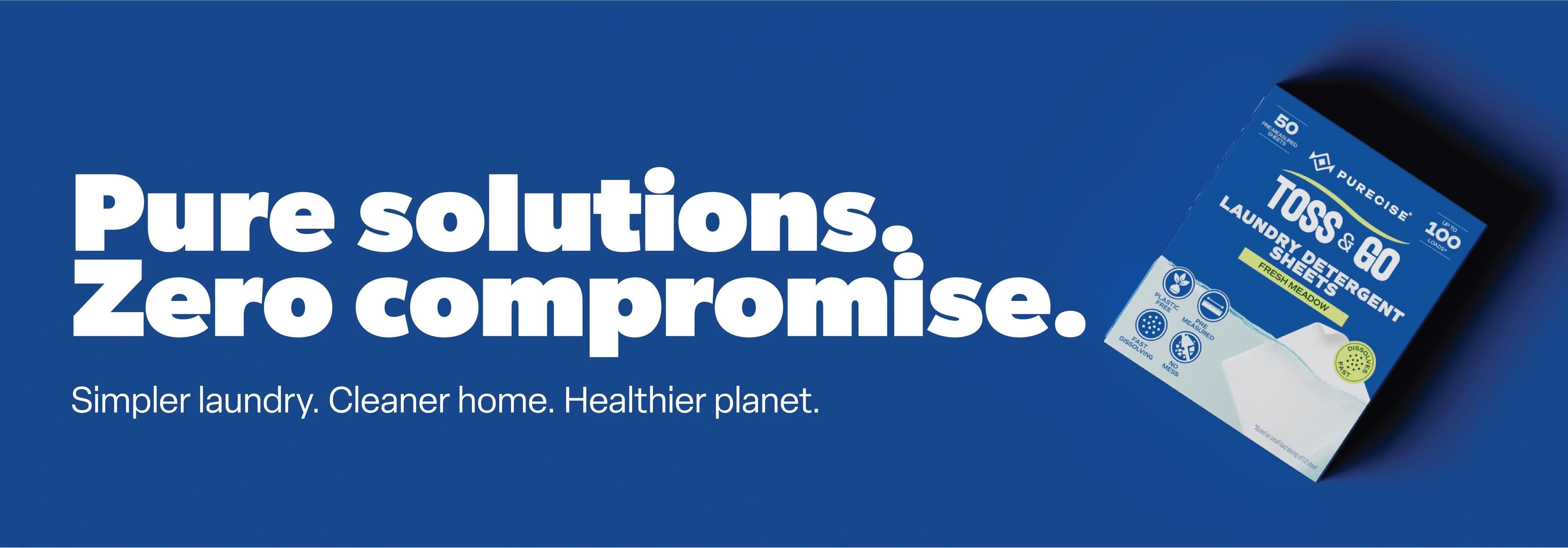
The sheets dissolve completely in any wash temperature, which means minimal residue on fabric. That directly addresses the residue problem that causes so many persistent skin reactions. Purecise is also plastic-free and plant-based, so you are not trading skin safety for environmental impact. Every order comes with a 100% money-back guarantee. Browse the full range of Purecise detergent sheets or learn more about why Purecise works for sensitive skin households.
FAQ
What is the main difference between sensitive and regular detergent?
Sensitive detergents remove synthetic fragrances, dyes, preservatives like methylisothiazolinone, and optical brighteners that regular detergents include. Both types use the same core enzymes and surfactants, so cleaning performance is equal.
Is fragrance-free the same as unscented?
No. Fragrance-free means no fragrance chemicals are present. Unscented products often contain masking fragrances that neutralize chemical odors but can still irritate sensitive skin.
Can sensitive detergent remove tough stains?
Yes. Sensitive detergents use the same protease and lipase enzymes as regular detergents to break down protein and fat stains. Removing fragrances and dyes does not reduce stain-fighting ability.
Why do i still react after switching to a sensitive detergent?
Detergent residue from overdosing or insufficient rinsing is the most common cause of continued reactions. If technique adjustments do not help, consult a dermatologist for patch testing to identify your specific chemical triggers.
What certifications should i look for on sensitive detergent labels?
Look for the National Eczema Association Seal of Acceptance or SkinSAFE certification. These are third-party verified against known allergen databases, unlike the unregulated term “hypoallergenic.”
Recommended
How to Wash Clothes Without a Washing Machine (And the One Supply Most Guides Miss)
Hypoallergenic Laundry Detergent Guide for Sensitive Skin
Related Posts

Remove Lipstick Stains: The First 15 Minutes, Plus Detergent Sheets

How Often to Wash Towels: Bath Weekly, Hand Towels Every Few Days

Detergent Allergy Rash: Test a Low Residue Wash Without Fragrance

Save Clothes From Mud Stains in 1–2 Hours With Premeasured Sheets

Fabric First Sweat Stain Fixes: Measured DIY Recipes and Sheets

Whiten White Clothes, No Chlorine: 4–8 Hour Soak, Premeasured Sheets

Remove Blood Stains from Clothes: Cold Water, Enzyme Soak, No Dryer


