

Clean Laundry Ingredient Checklist: Your 2026 Guide
A clean laundry ingredient checklist is a structured screening tool that tells you exactly which substances belong in your detergent and which ones to reject before they reach your skin or your family’s clothes. The standard industry term for this practice is ingredient transparency screening, and it matters because front-label claims like “natural” or “gentle” carry no legal definition in the United States. Certifications from the EPA Safer Choice program, MADE SAFE, and EWG Verified fill that gap by requiring actual ingredient review. Fragrance is the most common trigger for laundry-related skin reactions, especially eczema, making it the first item on any honest checklist.
1. What are the six harmful laundry ingredients to avoid?
Six primary ingredient classes to avoid are synthetic fragrances, optical brighteners, 1,4-dioxane, preservatives (MI and MCI), phosphates, and artificial dyes. Each one carries a documented risk to human health, environmental safety, or both. Knowing their names on a label is the first practical step in building your checklist.
Synthetic fragrances are the most urgent item to cut. The “fragrance” or “parfum” label is a regulatory loophole that allows manufacturers to conceal phthalates, allergens, and other toxic components without full disclosure. Only fragrance-free formulas or products with fully disclosed scent components reliably avoid this problem.
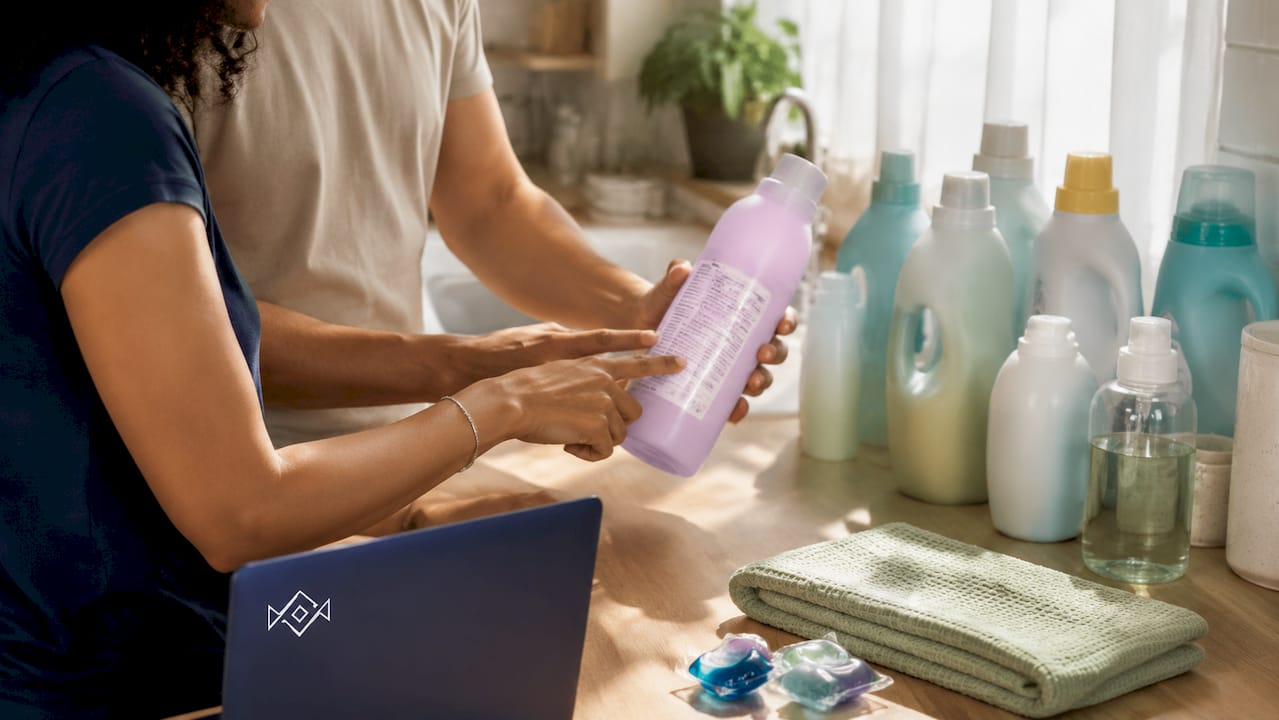
Optical brighteners are chemical compounds that coat fabric fibers and fluoresce under UV light to make clothes appear whiter. They do not wash out completely, which means they sit against your skin between washes. People with sensitive skin or eczema report consistent reactions to residual brightener deposits.
1,4-dioxane is a probable human carcinogen that appears as a byproduct of ethoxylation, a common manufacturing process. It is not listed as an ingredient because it is a contaminant, not an additive. The only way to screen for it without lab testing is to avoid ethoxylated surfactants entirely.
Methylisothiazolinone (MI) and methylchloroisothiazolinone (MCI) are preservatives linked to skin sensitization and allergenic reactions. They prevent microbial growth in liquid detergents but are restricted in leave-on cosmetics and face increasing scrutiny in rinse-off products for sensitive skin.
Phosphates boost cleaning power by softening water, but they cause algae blooms in waterways when they enter the water supply. Most U.S. states have restricted or banned phosphates in household detergents, yet some products still contain them. Artificial dyes add color to the product with no cleaning benefit and are a known irritant for people with dye sensitivities.
Pro Tip: Scan the ingredient list for “MI,” “MCI,” or “methylisothiazolinone” before buying any liquid detergent marketed for sensitive skin. These preservatives appear even in products labeled “gentle.”
2. Which clean ingredients are safe and effective?
Sodium bicarbonate, sodium citrate, sodium percarbonate, and plant-based enzymes form a clean, effective detergent ingredient profile. Products built on these ingredients often contain as few as five core components, far fewer than conventional brands. A short ingredient panel is itself a quality signal.
Plant-based surfactants like sodium coco-sulfate lift dirt and oils from fabric without the toxicity profile of petroleum-derived alternatives. A well-designed plant-based surfactant mixture combined with an appropriate builder package allows plant-derived detergents to match the cleaning power of petroleum-based formulas. The key word is “appropriate builder.” Surfactants alone do not clean well in hard water.
Mineral builders like sodium carbonate (washing soda) and sodium citrate soften water by binding to calcium and magnesium ions. This lets surfactants do their job more efficiently. Sodium citrate is biodegradable and replaces phosphates without the environmental damage.
Sodium percarbonate is the oxygen bleach standard in clean formulations. It releases hydrogen peroxide when dissolved in water, breaking down stains and killing bacteria without chlorine. It is safe for most colored fabrics and fully biodegradable.
Enzymes are the most underrated ingredient in clean detergents. Protease digests protein stains like blood and grass. Amylase breaks down starch-based stains like pasta sauce. Lipase targets fat and oil. These enzymes work at lower temperatures, which means effective cleaning in cold water cycles.
Pro Tip: If a detergent lists enzymes but also contains optical brighteners, the brighteners cancel out the “clean” claim. Check for both before buying.
3. How to read laundry ingredient labels and spot hidden chemicals
Checking the full ingredient panel beyond front labels is the foundation of any clean laundry strategy, because “natural” does not guarantee low hazard. Manufacturers are not required to list every ingredient on the front of the package. The back panel or the brand’s website is where the real information lives.
The table below shows the most common naming conventions for harmful ingredients and their safer alternatives:
| Harmful ingredient | Label names to watch for | Safer alternative |
|---|---|---|
| 1,4-dioxane (contaminant) | PEG-, -eth, polyethylene glycol, polysorbate | Non-ethoxylated surfactants |
| Synthetic fragrance | Fragrance, parfum, scent | Fragrance-free or fully disclosed |
| MI/MCI preservatives | Methylisothiazolinone, Kathon CG | No preservative or sodium benzoate |
| Optical brighteners | Tinopal, stilbene derivatives | None (omit entirely) |
| Phosphates | Sodium tripolyphosphate, STPP | Sodium citrate, sodium carbonate |
| Artificial dyes | CI + number, FD&C Blue 1 | No dye (clear or white formula) |
Ethoxylated surfactants with PEG-, -eth suffixes, and polysorbates indicate a 1,4-dioxane contamination risk. Avoiding these ingredient classes is the most reliable screen you can run without sending a product to a lab. This applies to both liquid detergents and detergent sheets.
Pro Tip: Search the brand’s website for a full ingredient disclosure page. If the brand does not publish one, treat that as a red flag equal to finding a harmful ingredient on the label.
4. Why third-party certifications matter more than label claims
Comparing products through verified third-party certifications is more reliable than manufacturer claims or in-house testing. A brand can call its product “eco-friendly” with no external review. A certified product has passed ingredient screening by an independent body with published criteria.
| Certification | What it screens | Key exclusions |
|---|---|---|
| EPA Safer Choice | Ingredient safety, environmental impact | Ethoxylated surfactants, carcinogens |
| MADE SAFE | Human health and ecosystem toxicity | Carcinogens, reproductive toxicants |
| EWG Verified | Full ingredient disclosure, hazard scoring | Fragrance loopholes, high-hazard ingredients |
EPA Safer Choice excludes ethoxylated surfactants and requires contaminant documentation, making it one of the most specific filters for 1,4-dioxane risk. MADE SAFE goes further by screening for ecosystem toxicity, not just human health. EWG Verified requires brands to disclose every ingredient, including fragrance components, which closes the parfum loophole directly.
Certified products exclude carcinogens and reproductive toxicants and verify ingredient transparency in ways that marketing language never does. Using any one of these three certifications as a baseline filter cuts the research time for each product purchase significantly.
Watch for greenwashing signals: a leaf logo with no certifying body named, vague terms like “dermatologist tested” without a published study, or “free from” claims that omit what the product actually contains. Genuine certifications always link to a public database or registry where you can verify the product listing.
5. How to build your personal safe detergent checklist
A personal safe detergent checklist works best when it is short enough to use in a store aisle. The goal is a quick yes/no filter, not a chemistry exam. Build yours around three layers: ingredients to include, ingredients to exclude, and certifications to accept.
Ingredients to include:
- Plant-based surfactants (sodium coco-sulfate, decyl glucoside)
- Mineral builders (sodium carbonate, sodium citrate)
- Oxygen bleach (sodium percarbonate)
- Enzymes (protease, amylase, lipase)
Ingredients to exclude:
- Fragrance or parfum (any undisclosed scent)
- Any ingredient with PEG-, -eth, or polyethylene glycol
- Methylisothiazolinone or methylchloroisothiazolinone
- Optical brighteners (Tinopal, stilbene)
- Artificial dyes (CI numbers, FD&C colors)
- Phosphates (sodium tripolyphosphate)
Certifications to accept: EPA Safer Choice, MADE SAFE, or EWG Verified.
When switching detergents, allow a two-week evaluation period before judging results. Skin reactions from a previous detergent can linger in fabric fibers through one or two washes. If you are building a baby-safe laundry product checklist or a carry-on laundry essentials checklist for travel, prioritize fragrance-free and enzyme-based formulas above all other criteria.
For eczema-prone or sensitive skin, eliminating fragrance is the single highest priority. Every other ingredient category matters, but fragrance removal alone produces the most immediate reduction in skin sensitizers. This applies equally to adults, children, and infants.
Pro Tip: Save your checklist as a photo on your phone. Pull it up at the store before buying any new detergent, including products labeled “sensitive,” “natural,” or “plant-based.”
Plant-based claims are not safety guarantees. Hidden preservatives or dyes can compromise safety even when the surfactant base is plant-derived. A minimal laundry product capsule routine built on five or fewer verified ingredients outperforms a “natural” product with a long, unverified list every time.
Key takeaways
A clean laundry ingredient checklist built on plant-based surfactants, mineral builders, enzymes, and third-party certifications delivers effective cleaning without the health and environmental costs of conventional detergents.
| Point | Details |
|---|---|
| Fragrance is the top risk | Eliminate fragrance or parfum first; it hides allergens and phthalates behind a legal loophole. |
| Short ingredient panels win | Detergents with five or fewer core ingredients carry fewer hidden hazards than complex formulas. |
| Certifications beat label claims | EPA Safer Choice, MADE SAFE, and EWG Verified screen ingredients independently and reliably. |
| Ethoxylated surfactants signal 1,4-dioxane | Avoid any ingredient with PEG-, -eth, or polyethylene glycol to screen for carcinogen contamination. |
| Two-week switch period matters | Allow two full weeks when changing detergents before evaluating skin response or cleaning results. |
What I have learned from years of watching “natural” labels mislead people
The hardest part of guiding people toward cleaner laundry products is not the chemistry. It is the confidence gap. Shoppers see a green bottle with a leaf logo and assume the work is done. The label says “plant-based.” The price is higher than the conventional option. That combination feels like safety. It rarely is.
At Purecise, we have seen this pattern repeatedly. A customer switches to a “natural” liquid detergent, their skin still reacts, and they conclude that clean formulas simply do not work for them. The real problem is almost always undisclosed fragrance or a preservative like MI hiding in the ingredient list. The formula was not clean. The label was.
The most useful shift any consumer can make is to stop reading the front of the bottle and start reading the back. Front labels are marketing. Back panels are at least partially accountable. And when a brand publishes a full ingredient list online, including fragrance components, that transparency alone separates it from the majority of the market.
Third-party certifications are the shortcut that actually works. Not because they are perfect, but because they require a brand to submit its formula for external review. That accountability changes what ends up in the product. A brand chasing EPA Safer Choice certification cannot quietly add an ethoxylated surfactant and hope nobody notices.
Personal testing still matters. Certifications screen for population-level hazards. Your skin has its own specific triggers. A two-week evaluation after switching detergents is not optional if you have sensitive skin. It is the only honest way to know whether a formula works for you specifically.
— Purecise
Purecise Toss & Go sheets: a checklist-ready laundry solution
Purecise built its Toss & Go laundry detergent sheets around the exact ingredient principles covered in this guide: plant-based surfactants, no synthetic fragrance, no optical brighteners, and no plastic bottle waste.
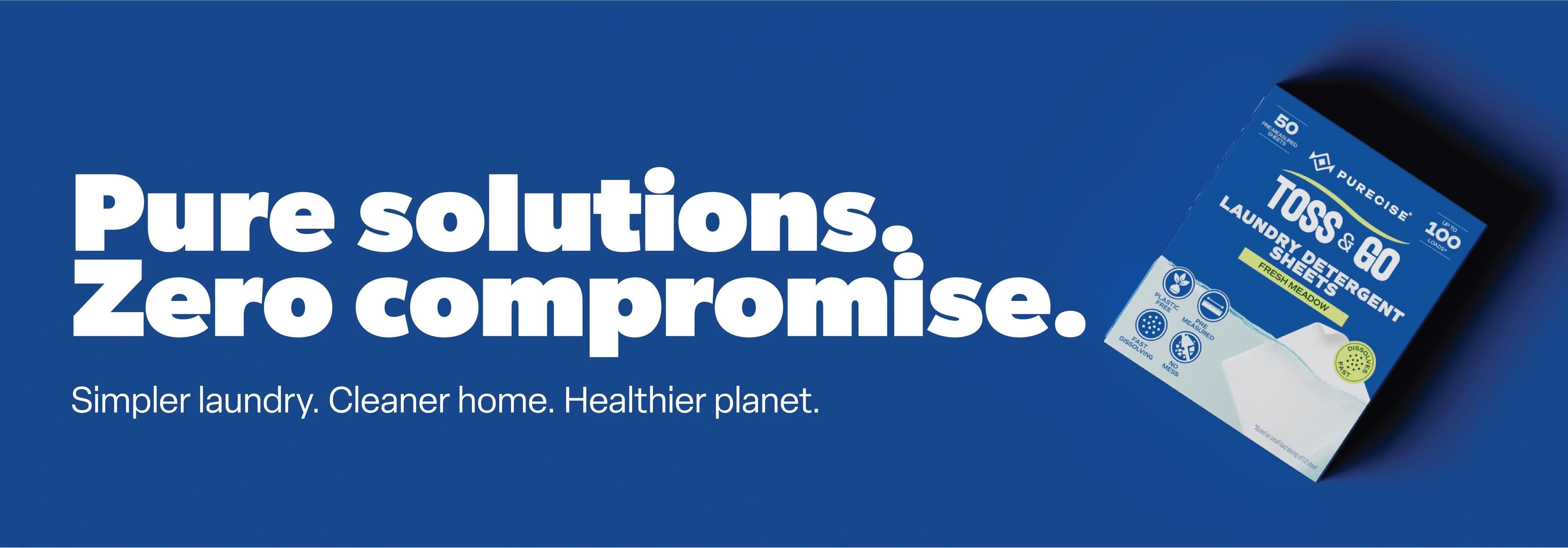
Each sheet is pre-dosed and dissolves completely in any wash temperature, hot or cold. The formula is hypoallergenic and designed for sensitive skin, including infants and people with eczema. Purecise backs every purchase with a 100% money-back guarantee. If you are ready to put your checklist into practice with a product that already passes it, the Toss & Go detergent sheets are available now. You can also compare Purecise to conventional options to see exactly how the ingredient and sustainability profile stacks up.
FAQ
What is a clean laundry ingredient checklist?
A clean laundry ingredient checklist is a screening list of safe ingredients to include and harmful ones to avoid when choosing a detergent. It typically covers surfactants, builders, enzymes, and certification status.
Which laundry ingredients are most harmful to sensitive skin?
Synthetic fragrance and preservatives like methylisothiazolinone are the most common triggers for sensitive skin reactions. Eliminating both is the fastest way to reduce laundry-related irritation.
How do I identify 1,4-dioxane in a detergent without lab testing?
Avoid any ingredient containing PEG-, ending in -eth, or labeled as polyethylene glycol or polysorbate. These ethoxylated surfactants indicate a 1,4-dioxane contamination risk.
Are “plant-based” detergents automatically safe?
No. Plant-based surfactants must be paired with clean builders and free of hidden preservatives or dyes. A “plant-based” claim does not guarantee the full formula is low-hazard.
Which certification is best for laundry detergent safety?
EPA Safer Choice, MADE SAFE, and EWG Verified are the three most credible certifications. Certified products exclude carcinogens and require ingredient transparency that manufacturer claims alone cannot provide.
Recommended
Toxic Chemicals in Conventional Laundry Detergents
What Does Fully Dissolving Detergent Mean for Your Laundry
Related Posts

Remove Lipstick Stains: The First 15 Minutes, Plus Detergent Sheets

How Often to Wash Towels: Bath Weekly, Hand Towels Every Few Days

Detergent Allergy Rash: Test a Low Residue Wash Without Fragrance

Save Clothes From Mud Stains in 1–2 Hours With Premeasured Sheets

Fabric First Sweat Stain Fixes: Measured DIY Recipes and Sheets

Whiten White Clothes, No Chlorine: 4–8 Hour Soak, Premeasured Sheets

Remove Blood Stains from Clothes: Cold Water, Enzyme Soak, No Dryer


