

Benefits of Laundry Detergent Sheets for Eco Shoppers
Laundry detergent sheets are lightweight, pre-measured detergent films that dissolve completely in the wash and replace bulky liquid or powder formats entirely. The benefits of laundry detergent sheets go well beyond convenience. 82% of global consumers say easy-to-use product formats influence their household purchases. That number explains why sheets have moved from a niche eco product to a mainstream laundry option. Purecise Toss & Go sheets sit at the center of this shift, combining plastic-free packaging, pre-dosed cleaning power, and a hypoallergenic formula that works for the whole family.
1. What are the main benefits of laundry detergent sheets?
Laundry detergent sheets address the three biggest frustrations with traditional formats: heavy packaging, messy spills, and guessing how much detergent to use. Each sheet is pre-measured, so you drop it in and walk away. No cap. No drips. No wasted product.
The advantages of laundry sheets stack up quickly:
- No measuring errors. Pre-measured doses eliminate the spills and overuse common with liquid detergents. Overusing liquid detergent is one of the most common laundry mistakes, and it leaves residue on clothes.
- Plastic-free packaging. Most sheets come in cardboard or compostable envelopes. That means zero plastic jugs heading to the landfill after each box runs out.
- Compact storage. A month’s supply fits in a slim cardboard box smaller than a paperback book. Liquid bottles take up an entire shelf.
- Gentler on skin. Sheets are typically hypoallergenic, free of parabens, phosphates, bleaches, and dyes. That matters for anyone with eczema, allergies, or sensitive skin.
- Lower transport emissions. A 60-sheet pack weighs under 200g versus roughly 3kg for an equivalent liquid detergent. That weight reduction cuts fuel use across the entire supply chain.
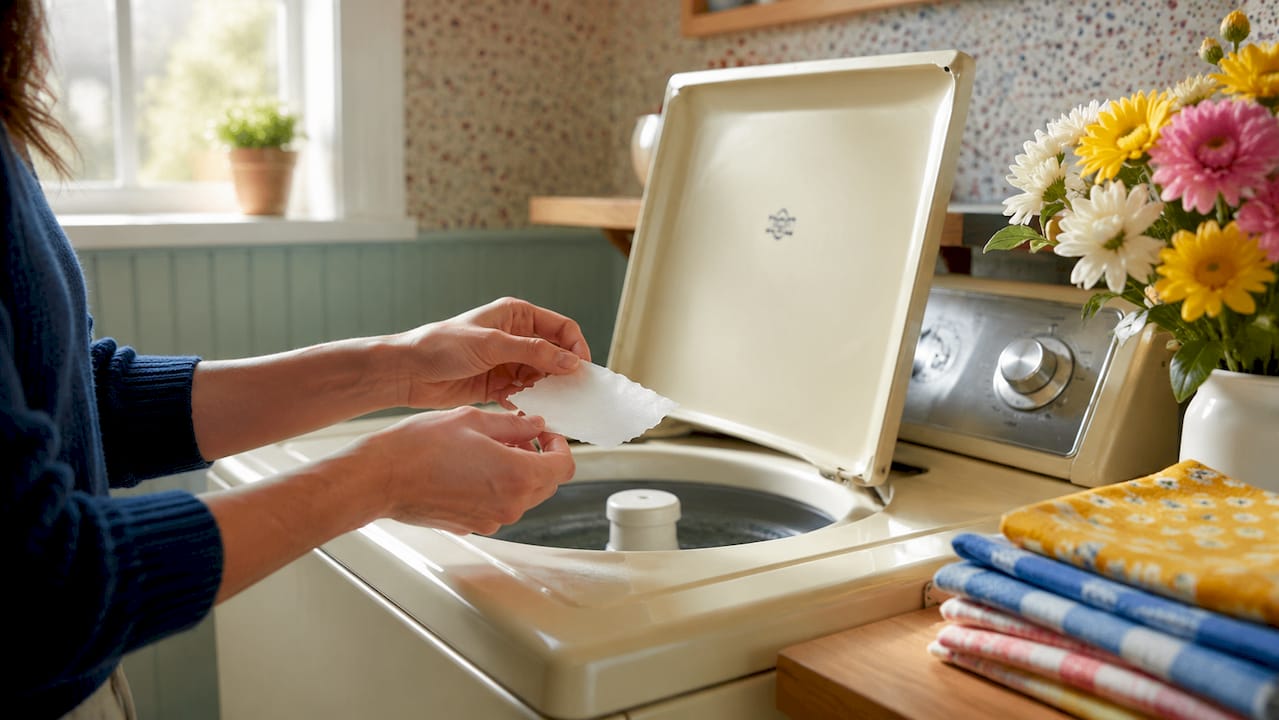
Pro Tip: Place the sheet directly in the drum before loading clothes. This gives it maximum contact with water during agitation and prevents it from sticking to fabric.
The skin sensitivity benefit deserves extra attention. Harsh surfactants and synthetic fragrances in conventional detergents trigger reactions in a large portion of the population. Purecise sheets skip those ingredients entirely, making them a practical choice for households with children or anyone prone to skin irritation.
2. How effective are laundry detergent sheets compared to liquid detergents?
Sheets clean everyday loads well. Independent testing in 2026 shows they handle lightly to moderately soiled clothes effectively but fall short of liquid detergents on heavy stains by about 10–11%. That gap is real and worth knowing before you switch.
For most people, that gap rarely matters. Casual clothes, workout gear, bed linens, and everyday wear rarely carry the kind of ground-in grease or set-in stains that push detergent to its limits. Sheets handle those loads without issue.
Where sheets struggle is with heavily soiled work clothes, muddy kids’ gear, or cooking stains that have had time to set. In those cases:
- Use two sheets for large or heavily soiled loads. One sheet on a heavy load often produces underwhelming results. Two sheets close the performance gap significantly.
- Check water temperature. Sheets may not fully dissolve in water below 60°F if placed incorrectly. Cold water washes need the sheet placed in the drum first, not in the dispenser drawer.
- Use HE washers without concern. Sheets produce low suds by design, making them fully compatible with high-efficiency machines.
Pro Tip: For tough stains, apply a small amount of liquid dish soap directly to the stain before loading the item. Let it sit for five minutes, then wash with a sheet. You get the convenience of sheets without sacrificing stain-fighting power.
The dissolution point is the most overlooked factor in sheet performance. Proper placement in the drum triggers immediate breakdown during agitation. Skipping this step is the single most common reason people report streaky residue or weak cleaning results.
3. In what scenarios do laundry detergent sheets offer the most advantages?
Sheets are not a universal replacement for every laundry situation. They are, however, the best option for specific lifestyles and use cases.
- Daily light loads. Casual clothes, underwear, and workout wear are exactly what sheets are built for. These loads make up the majority of most households’ weekly laundry.
- Travel. Sheets are TSA-friendly because they are dry and weigh almost nothing. One sheet weighs about 3–5 grams versus 37 grams for a typical liquid dose. Packing a week’s worth of laundry detergent no longer means carrying a heavy bottle.
- Small apartments and dorms. Limited storage space is a real constraint. A slim box of sheets takes up a fraction of the cabinet space that a liquid jug requires.
- Sensitive skin households. Families with young children or members who react to synthetic fragrances benefit from the clean ingredient list that most sheets carry. Purecise sheets are free from the harsh chemicals that trigger most common detergent reactions.
- Eco-conscious routines. Anyone working to reduce plastic waste gets an immediate, measurable win. Switching to plastic-free laundry packaging removes one of the most common single-use plastics from a household’s weekly routine.
- Communal laundry rooms. Carrying a liquid jug to a shared laundry facility is awkward and messy. A few sheets in a pocket or bag is a much cleaner solution.
Sheets are less suitable for households that regularly wash heavily soiled workwear, sports uniforms with deep stains, or large loads of heavily used towels. Those situations call for a more concentrated liquid formula, at least as a supplement.
4. Common misconceptions and practical tips for using sheets effectively
The biggest misconception about laundry detergent sheets is that one sheet always equals one full load. It does not. One sheet for a large or heavy load consistently produces weaker results. Experienced users treat two sheets as the standard dose for anything above a medium load.
The second misconception is about cost. Sheets typically cost more per load than liquid detergents. That is true on a per-wash basis. The offset comes from eliminating plastic packaging, reducing storage needs, and never overusing product by accident. For many consumers, the total value equation still favors sheets.
“Laundry sheets address key consumer pain points: heavy packaging, spillage, and dosing errors. For everyday loads, they deliver on all three counts while reducing the environmental footprint of the laundry routine.”
A few practical rules make sheets work better:
- Always place the sheet in the drum first, then load clothes on top. This is especially critical for cold water cycles.
- Choose quality brands. Dissolution speed and cleaning performance vary significantly between sheet products. Purecise sheets are formulated to dissolve completely in any wash temperature, which removes the cold-water residue problem entirely.
- Keep a spot treatment on hand. A small spray bottle of liquid stain remover handles the 10–11% of loads that sheets are not optimized for. You get the convenience of sheets for 90% of washes without sacrificing results on the tough ones.
Pro Tip: Store your sheets in a dry location away from humidity. Moisture causes sheets to partially dissolve before they reach the washer, which reduces their cleaning effectiveness.
The quality point matters more than most consumers realize. A poorly formulated sheet leaves a film on clothes and scores badly in cold water. A well-made sheet dissolves completely and cleans consistently. The difference is in the formulation, not the format.
Key Takeaways
Laundry detergent sheets deliver real convenience, meaningful environmental benefits, and effective cleaning for everyday loads, making them the right choice for most modern households.
| Point | Details |
|---|---|
| Pre-measured doses prevent waste | Each sheet eliminates measuring errors and overuse common with liquid detergents. |
| Weight reduction cuts emissions | A 60-sheet pack weighs under 200g versus 3kg for equivalent liquid, reducing transport impact. |
| Best for light to moderate loads | Sheets clean everyday laundry well but need two sheets for large or heavily soiled loads. |
| Hypoallergenic formula suits sensitive skin | Sheets free of parabens, phosphates, and dyes work safely for children and allergy-prone adults. |
| Cold water placement is critical | Placing the sheet in the drum before clothes prevents residue and improves dissolution. |
Why I think sheets are the most underrated laundry upgrade of 2026
Most laundry coverage focuses on whether sheets match liquid detergent on stain tests. That framing misses the point. The real question is whether sheets fit how most people actually do laundry, and for the majority of households, they do.
The 10–11% performance gap on heavy stains sounds alarming until you count how often you actually wash heavily stained items. For most consumers, that is a small fraction of weekly loads. The other 85–90% of washes involve clothes that sheets handle without any compromise.
What I find more compelling is the cumulative environmental impact. Switching to eco-friendly laundry sheets removes plastic jugs from your routine permanently. That is not a marginal improvement. It is a complete format change with a measurable outcome.
The technology is also improving fast. Sheet formulations in 2026 dissolve more reliably in cold water than early versions did. The gap between sheets and liquids on tough stains will narrow as surfactant chemistry advances. The brands investing in that research now will define the category in five years.
My honest advice: use sheets for your regular loads and keep a small bottle of liquid stain remover for the exceptions. That combination gives you the environmental and convenience benefits of sheets without ever feeling like you are compromising on results.
— Purecise
Purecise laundry sheets: a cleaner way to do laundry
Purecise Toss & Go sheets were built for consumers who want laundry to be simpler and less wasteful, without giving up cleaning performance. Each sheet is pre-dosed, dissolves completely in any wash temperature, and contains no harsh chemicals, parabens, or synthetic dyes.
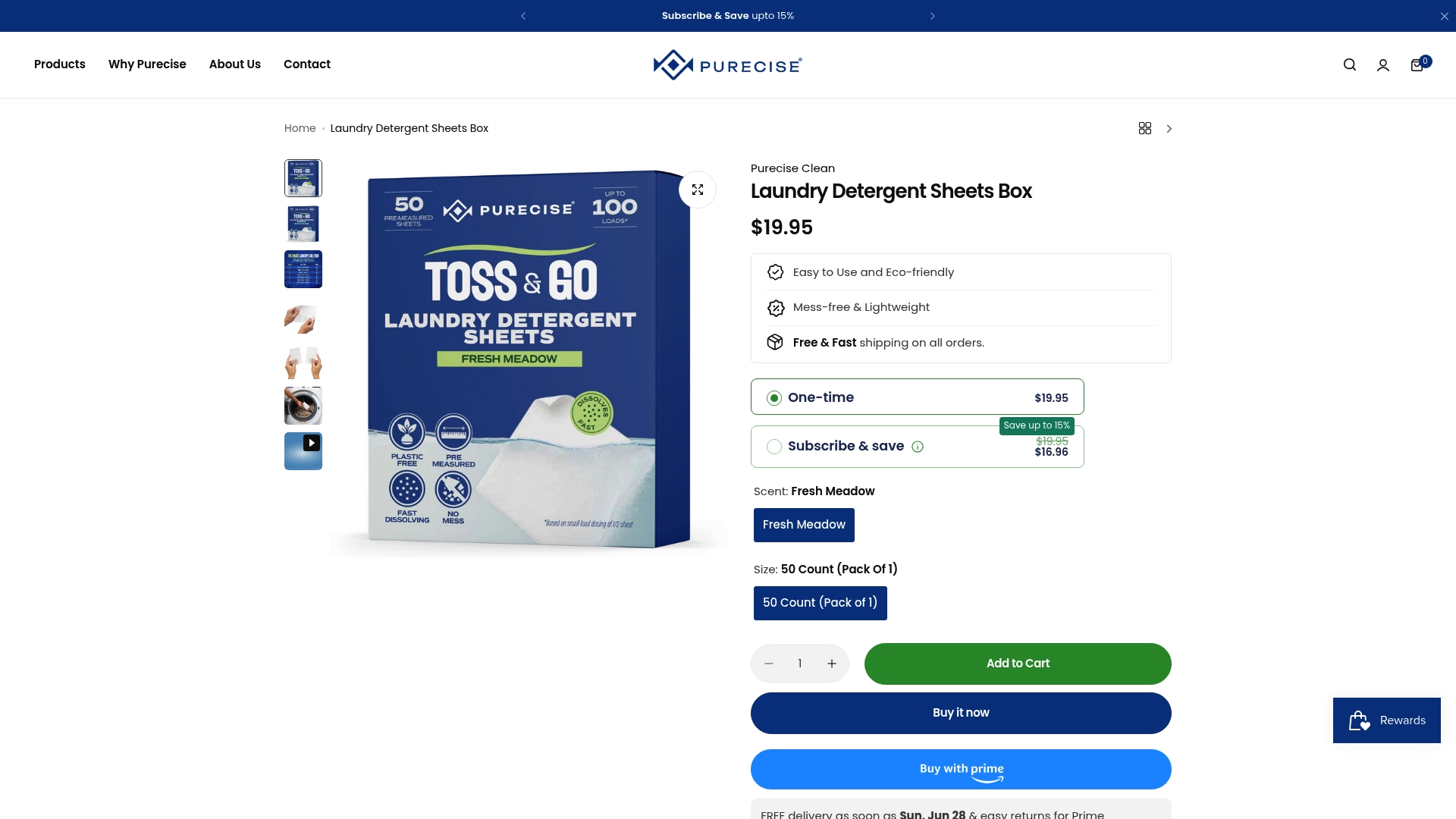
A full month’s supply fits in a box you can hold in one hand. The packaging is plastic-free, and every sheet is backed by a 100% money-back guarantee. If you are ready to cut plastic from your laundry routine and simplify your wash day, the Purecise detergent sheets box is the place to start. For a travel-ready option, the sheet envelopes pack flat in any bag or suitcase.
FAQ
Are laundry detergent sheets as effective as liquid detergent?
Sheets clean everyday lightly to moderately soiled loads just as well as liquid detergents. Independent testing shows a performance gap of about 10–11% on heavy stains, which affects a small fraction of typical household laundry.
How do you use laundry detergent sheets correctly?
Place the sheet directly in the washer drum before loading clothes. This placement triggers full dissolution during agitation and prevents residue, especially in cold water cycles.
Are laundry sheets safe for sensitive skin?
Yes. Most sheets are hypoallergenic and free of parabens, phosphates, bleaches, and synthetic dyes, making them suitable for children and adults with skin sensitivities.
Do laundry sheets cost more than liquid detergent?
Sheets generally cost more per load than liquid detergents. The trade-off includes zero plastic packaging, no overuse waste, and significant storage savings that offset the price difference for many consumers.
Can you use laundry sheets in a high-efficiency washer?
Yes. Sheets produce low suds by design and are fully compatible with HE machines. No special settings or adjustments are needed.
Recommended
Pack Light Laundry Essentials for Every Trip
How to Reduce Plastic Waste Doing Laundry
Related Posts

Remove Lipstick Stains: The First 15 Minutes, Plus Detergent Sheets

How Often to Wash Towels: Bath Weekly, Hand Towels Every Few Days

Detergent Allergy Rash: Test a Low Residue Wash Without Fragrance

Save Clothes From Mud Stains in 1–2 Hours With Premeasured Sheets

Fabric First Sweat Stain Fixes: Measured DIY Recipes and Sheets

Whiten White Clothes, No Chlorine: 4–8 Hour Soak, Premeasured Sheets

Remove Blood Stains from Clothes: Cold Water, Enzyme Soak, No Dryer


