

What Is a pH Neutral Laundry Detergent, and Do You Need One?
A practical pH neutral laundry detergent sits somewhere between 6.0 and 8.0, not exactly at 7. If you wash delicates, dress a baby, or deal with reactive skin, that narrower range protects fibers and calms irritation better than a standard alkaline formula. Purecise sheets fall into that gentle category, which makes them a sensible everyday pick rather than a specialty product you reach for occasionally.
TL;DR:
- Most pH neutral detergents range from 6.0 to 8.0, balancing cleaning power with fiber and skin safety, especially for delicates and reactive skin.
- Enzyme activity is affected by pH, with overly acidic or alkaline formulas deactivating enzymes essential for natural stain removal.
- High-pH alkaline detergents clean grease efficiently but weaken protein fibers and accelerate dye fading, damaging delicate fabrics and dulling colors over time.
- Labels claiming “pH balanced” are marketing, so verify with a pH number on safety data sheets or test at home with pH strips for certainty.
- Purecise detergent sheets are plant-based, hypoallergenic, and pre-dosed to ensure a gentle, neutral pH wash suitable for sensitive skin and delicate fabrics.
Table of Contents
- What pH neutral detergent actually means
- How detergent pH affects fabrics and skin
- How can you tell if a detergent is pH neutral?
- How to choose and use a pH neutral detergent well
- Why Purecise detergent sheets fit the pH neutral, gentle-laundry brief
- When neutral makes life simpler: everyday scenarios and quick advice
- Get Purecise Toss & Go Sheets for Your Next Wash
- Sources
What pH neutral detergent actually means
Pure water sits at pH 7, the midpoint on a 0 to 14 scale where nothing is acidic or alkaline. Almost no commercial detergent lands exactly there, though. Manufacturers formulate toward a workable band, and product spec sheets for neutral cleaners typically list a pH between 6.0 and 8.0 rather than a single fixed number. That range gives chemists room to balance cleaning power against fiber and skin safety.
The tricky part: a neutral pH sounds mild, but mild doesn’t mean weak. Enzymes, the workhorses that break down protein and starch stains, tend to function well in mild pH conditions, so a plant-based formula can stay gentle on fabric while still lifting food and grass stains. That’s a different mechanism than the harsh alkaline boost you get from traditional heavy-duty powders, which lean on high pH to cut grease at the cost of fiber wear.
A few things worth knowing before you shop:
- “pH balanced” on a label is marketing language, not a guaranteed number. Look for an actual figure on the spec sheet or safety data sheet when you want certainty.
- Enzyme activity and pH are linked. A formula that’s too acidic or too alkaline can deactivate the enzymes doing the actual stain removal.
- Standard detergents typically run alkaline, often above pH 9, which is why they clean grease fast but wear down delicate fibers over time.
How detergent pH affects fabrics and skin
Alkaline detergents attack grease efficiently because high pH breaks down oils and loosens soil. That same chemistry breaks down protein-based fibers like silk and wool, weakening the strands with every wash. Over months, that shows up as pilling, thinning, and a fabric that just feels different than it did new.
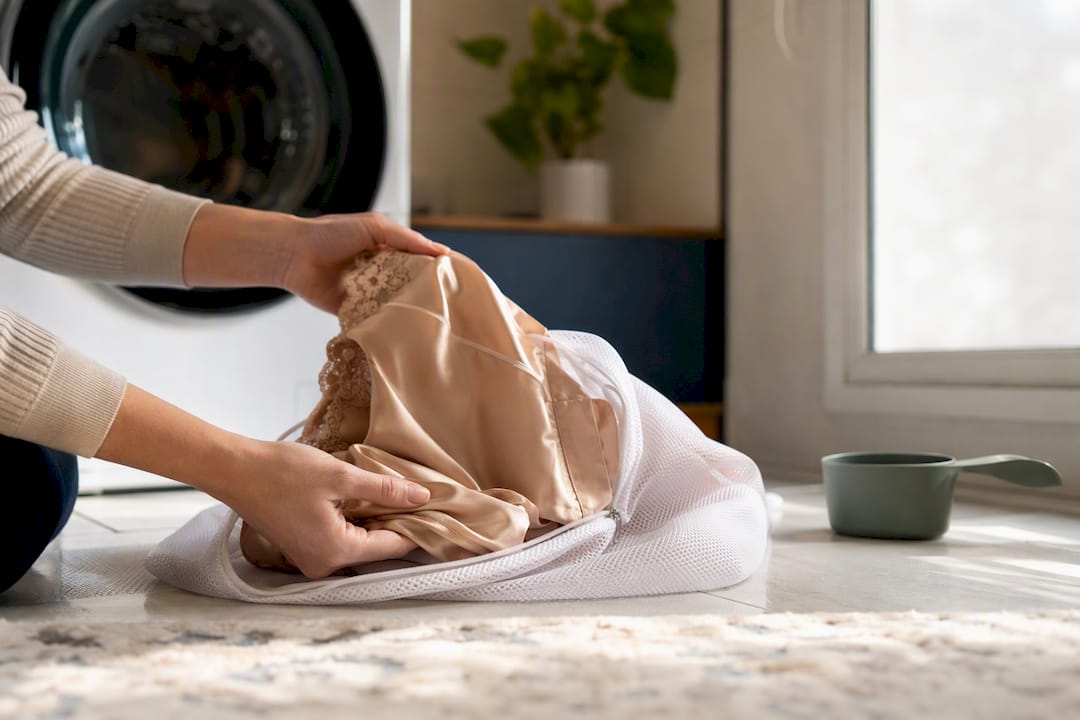
Color is the other casualty. Dyes bond to fabric under specific chemical conditions, and repeated exposure to alkaline detergent shifts that balance, which is part of why colors fade and fibers weaken faster in high-pH washes. Dark cottons, printed synthetics, and anything with a specialty finish (think water-resistant coatings or flame-retardant treatments) tend to show this first, often as dulling or blotchy spots rather than an even fade.
Skin tells a similar story. Healthy skin sits around pH 4.5 to 5.5, distinctly acidic. Wearing clothes washed in a strongly alkaline detergent residue nudges that surface pH upward, disrupting the barrier that keeps moisture in and irritants out. For people with eczema, contact dermatitis, or generally reactive skin, that shift is often the difference between a comfortable shirt and one that itches by lunch.
A few patterns show up consistently across sensitive-skin households:
- Babies and toddlers react faster to detergent residue because their skin barrier is thinner and still developing.
- Wool and silk lose shape and strength noticeably faster in alkaline washes than in neutral ones.
- Fragrance and dye additives, not just pH, are common co-triggers for skin flare-ups, so a truly gentle formula usually skips both.
Pro Tip: If a garment has ever felt “scratchy” after washing but not before you bought it, that’s often detergent residue, not the fabric itself.
How can you tell if a detergent is pH neutral?
Labels alone won’t always give you a straight answer, but a few checks get you close.
- Read the front label for specific claims. Terms like “pH balanced,” “dermatologist tested,” or “hypoallergenic” are useful signals, but they’re self-reported. A retail listing that pairs “pH neutral” with “dermatologist tested” is more credible than one making a bare pH claim alone.
- Look for the actual number. Reputable brands publish pH values on a safety data sheet or IFU, sometimes on the product page itself. If a company can’t produce a number, treat “neutral” as a guess.
- Run a simple at-home check. Mix a small amount of detergent with water at the label’s recommended dilution, dip a pH strip in, wait the strip’s specified time (usually 15 to 60 seconds), then compare the color to the strip’s chart. Anything reading 6 to 8 confirms the neutral claim; anything above 9 tells you it’s a standard alkaline formula regardless of what the label says.
- Check third-party or lab data when it matters most. For baby items or anyone with diagnosed skin conditions, a published spec number beats a marketing claim every time.
How to choose and use a pH neutral detergent well
Match the detergent to the load, not the other way around. A checklist helps more than instinct here:
- Confirm the fabric: silk, wool, and delicate synthetics do best with a documented neutral formula.
- Check for fragrance-free and dye-free versions if anyone in the household has reactive skin.
- Confirm enzyme content if you need real stain-lifting power, since enzymes handle biological stains that neutral pH alone won’t touch.
- Verify HE machine compatibility if you own a high-efficiency washer; not every liquid or sheet formula suds correctly in low-water cycles.
- Favor plant-based, biodegradable formulas if reducing environmental load matters to your household.
Use neutral formulas for baby clothes, wool sweaters, silk blouses, activewear with spandex, and anything you’re washing specifically because someone’s skin reacts to residue. Skip the neutral-only approach for engine grease, deep-set cooking oil, or heavily soiled outdoor workwear. Those jobs usually need the stronger alkaline lift a specialty pretreatment or heavy-duty formula provides. Cold or warm water, a gentle cycle, and a slightly smaller load size all help protect delicate fibers further, since less agitation means less mechanical stress on top of the chemical exposure. For more on which specific ingredients to watch for beyond pH, this breakdown of laundry irritants is worth a look.
Why Purecise detergent sheets fit the pH neutral, gentle-laundry brief
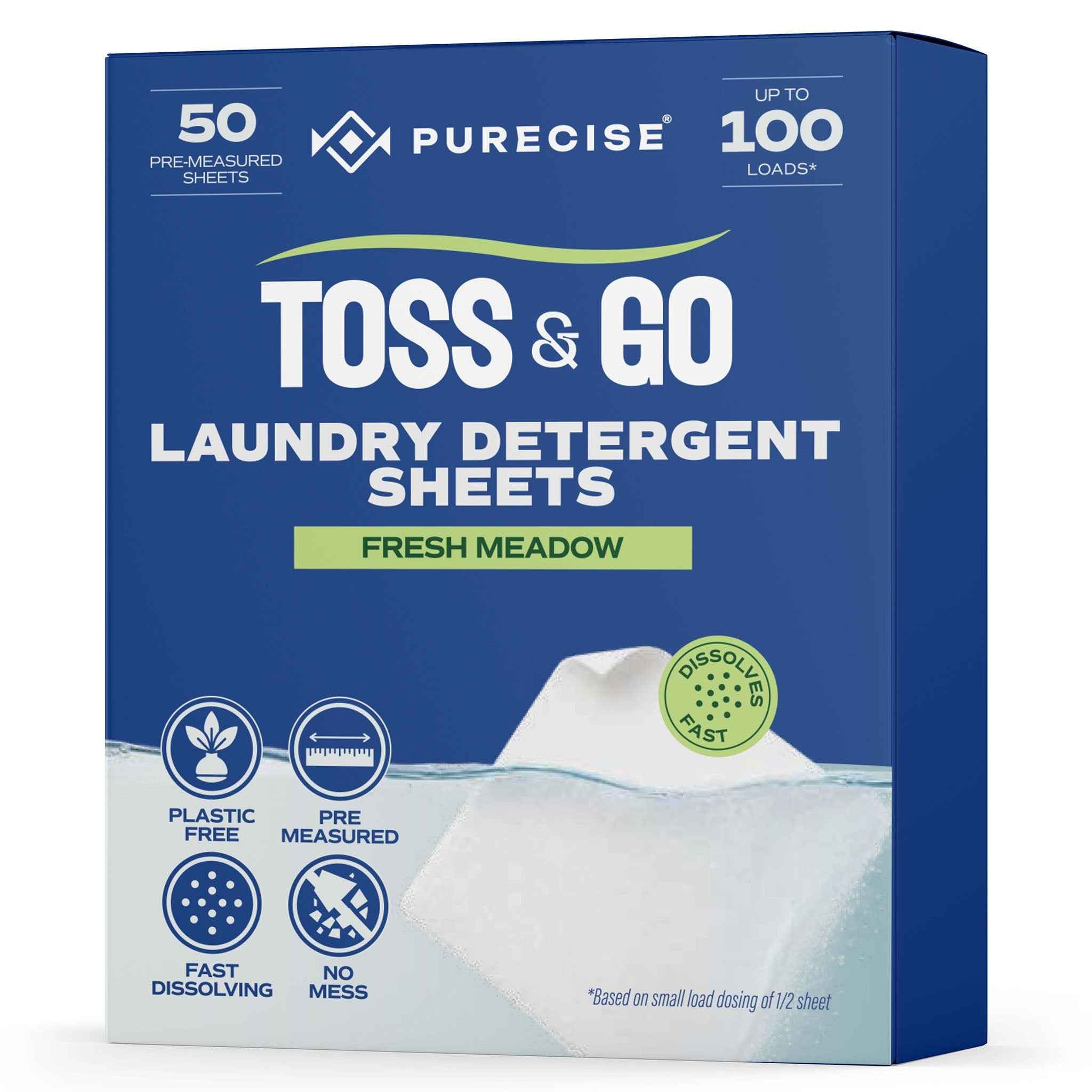
Purecise’s Toss & Go sheets are plant-based, hypoallergenic, and pre-dosed, which removes the guesswork of measuring liquid detergent into the right dilution. Each sheet dissolves fully across wash temperatures and machine types, including HE washers, and the brand backs performance with a 100% money-back guarantee. For readers who want to confirm specifics before buying, product pages list the relevant formulation details, and the ingredient checklist breaks down what’s inside and why it works on common stains without harsh alkaline agents.
When neutral makes life simpler: everyday scenarios and quick advice
Baby onesies, wool sweaters, and shared laundry rooms are where neutral pH earns its keep. A travel pack that fits in a suitcase solves the communal-machine problem, too, since you control exactly what touches your clothes. Save the stronger stuff for grease-stained coveralls or grimy hiking gear. And test any new detergent on one item before committing a full load. Fabric surprises are cheaper to fix early.
— Purecise
Get Purecise Toss & Go Sheets for Your Next Wash
Purecise skips the bulky jug and the guesswork entirely. Each Toss & Go sheet is pre-measured, dissolves completely in any temperature, and works across sensitive-skin loads, delicates, and everyday laundry without the alkaline harshness of typical powders.
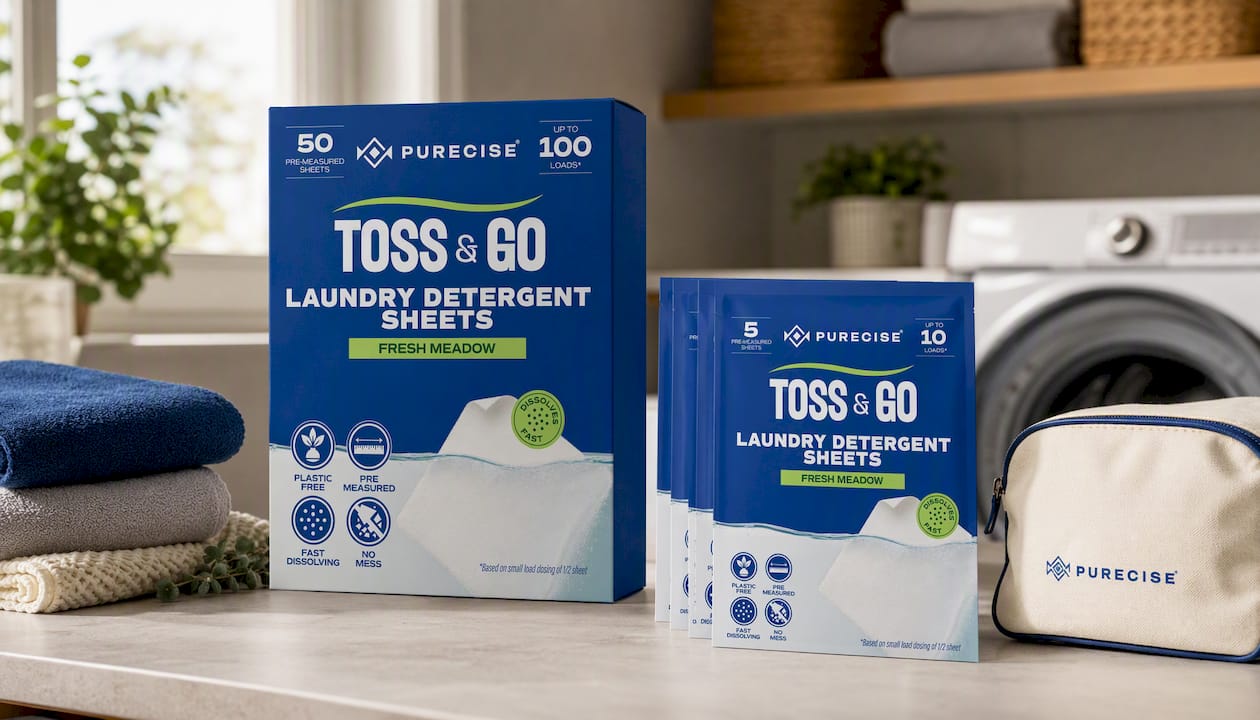
Grab a box of sheets for home use or an envelope pack for travel and gym bags. Every order carries the 100% money-back guarantee, so testing Purecise against your current detergent costs you nothing if it doesn’t work out. Order a box today and see the difference on your next wash.
Sources
- PowerCon Neutral pH Detergent Concentrate product specification (Getinge)
- The importance of pH in laundry detergents and how it affects textiles (Oxabiotech)
- Enzyme-Based Laundry Detergent Concentrate – Naturally It’s Clean
Recommended
The Best Detergent for White Clothes and How to Use It Right
Laundry Symbols Meaning: Pocket Cheat Sheet and a Detergent That Works
Related Posts

Remove Lipstick Stains: The First 15 Minutes, Plus Detergent Sheets

How Often to Wash Towels: Bath Weekly, Hand Towels Every Few Days

Detergent Allergy Rash: Test a Low Residue Wash Without Fragrance

Save Clothes From Mud Stains in 1–2 Hours With Premeasured Sheets

Fabric First Sweat Stain Fixes: Measured DIY Recipes and Sheets

Whiten White Clothes, No Chlorine: 4–8 Hour Soak, Premeasured Sheets

Remove Blood Stains from Clothes: Cold Water, Enzyme Soak, No Dryer


