

Eco-Friendly Laundry Routine Guide for 2026
An eco-friendly laundry routine is a set of washing, drying, and product habits that reduce water use, energy consumption, and chemical exposure without sacrificing clean results. Sustainable laundry, as the practice is also known in environmental science and textile care, delivers real resource savings. A well-optimized routine can cut water use by up to 50% and total energy consumption by up to 66%. For anyone dealing with sensitive skin, the benefits go further. Swapping harsh chemicals for plant-based, phosphate-free formulas reduces irritation while keeping your clothes cleaner for longer.
What does an eco-friendly laundry routine guide actually change?
Sustainable laundry is fundamentally about garment longevity. Washing clothes less frequently, using gentler methods, and choosing biodegradable products all extend the life of your wardrobe while shrinking your environmental footprint. The two goals reinforce each other. Clothes that are washed gently last longer, which means less textile waste and less money spent replacing worn-out items.
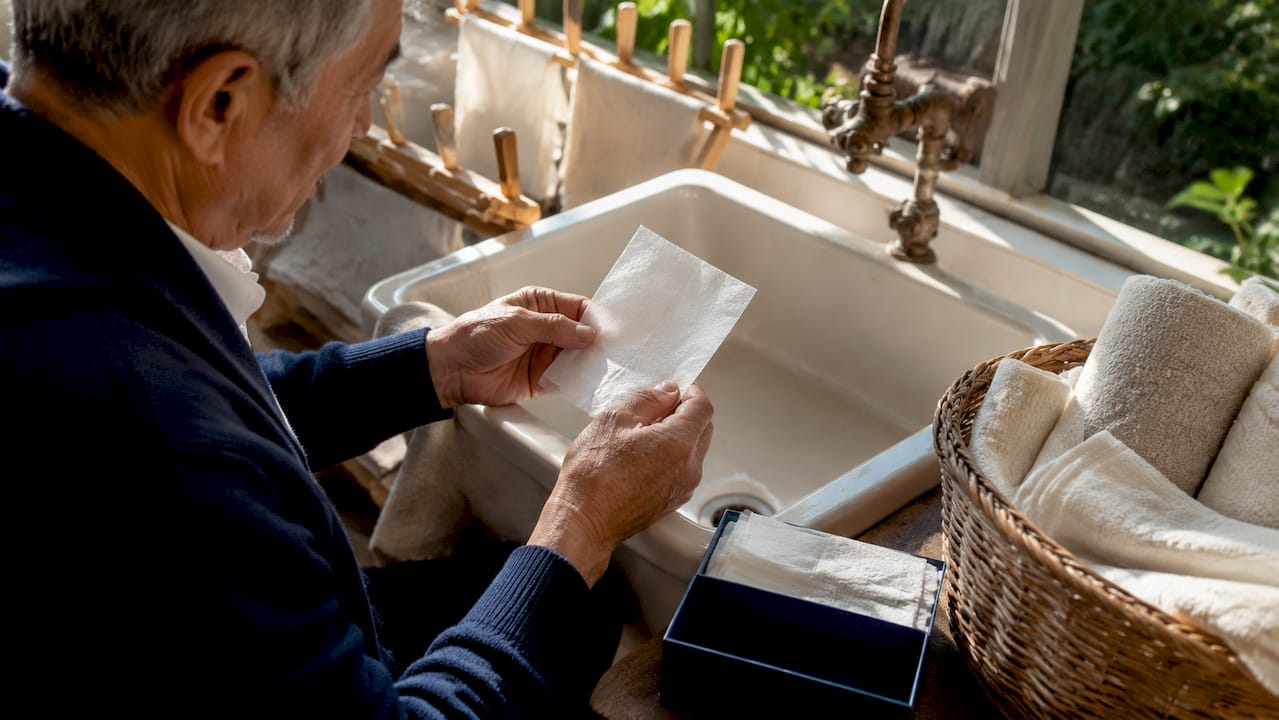
The biggest shift is mental. Most people wash clothes out of habit, not necessity. A shirt worn for two hours in an air-conditioned office does not need the same treatment as workout gear. Rethinking when and how you wash is the foundation of every sustainable laundry habit.
How does washing frequency and load size affect sustainability?
Washing less often is one of the highest-impact changes you can make. Every unnecessary cycle uses water, electricity, and detergent. It also stresses fabric fibers, fading colors and weakening threads faster than normal wear.
Before tossing something in the hamper, check three things:
- Smell: Does it actually have an odor, or does it just feel used?
- Look: Are there visible stains or marks that need treatment?
- Feel: Is it damp with sweat, or just slightly wrinkled?
If none of those apply, hang the item to air out and wear it again. Denim, wool sweaters, and structured blazers can go many wears between washes. Underwear, socks, and gym clothes are the exceptions.
Running full loads is equally important. A half-empty machine uses nearly the same water and energy as a full one. Front-loading machines are more water-efficient than top-loaders by design, using a tumbling action that requires less water to saturate clothes. If you have a top-loader, filling it to the recommended capacity matters even more.
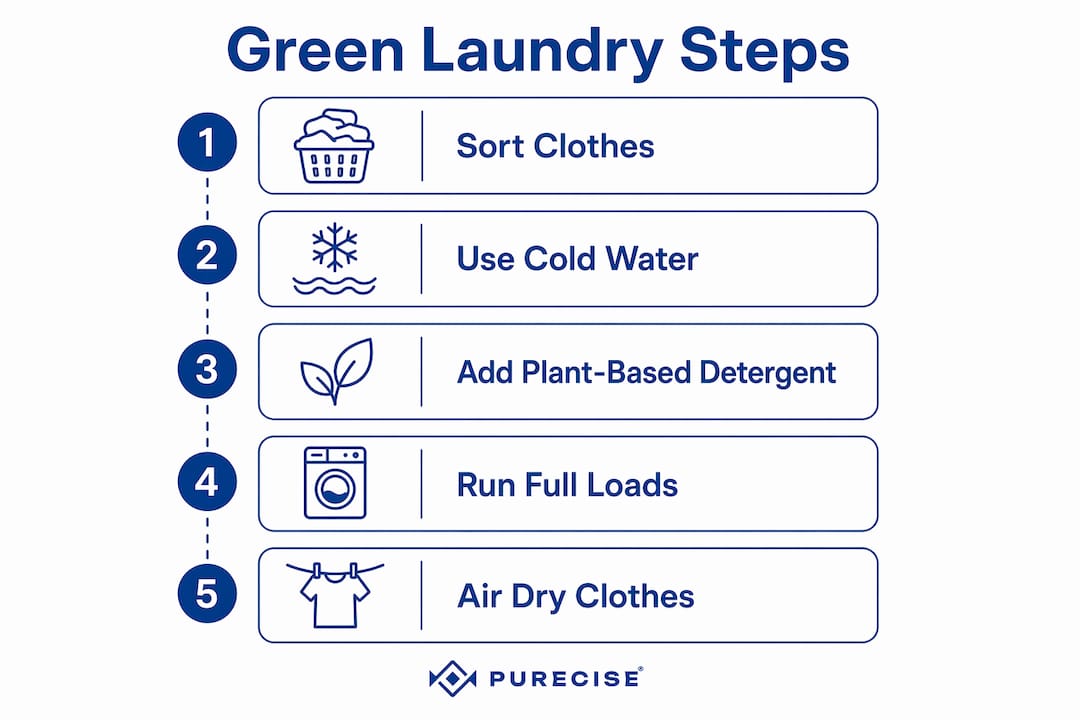
Pro Tip: Avoid packing the drum so tightly that clothes cannot move freely. An overloaded machine cleans poorly and wears fabric faster. Aim for a load that fills the drum about three-quarters full.
What water temperature and detergent work best for green laundry?
Cold water washing is the single most effective temperature choice for reducing energy use. Switching to cold water cuts energy consumption by up to 90% compared to hot water cycles. That number reflects the fact that heating water accounts for the vast majority of a washing machine’s energy draw.
Modern plant-based detergents are engineered for cold water performance, meaning they dissolve and activate fully at lower temperatures. Hot water is only necessary for specific sanitizing tasks, such as washing bedding after illness or cleaning heavily soiled work clothes.
When choosing a detergent, look for these features in order of priority:
- Phosphate-free formula: Phosphates disrupt aquatic ecosystems when they enter waterways.
- Plant-based surfactants: These break down naturally and are gentler on skin than petroleum-derived alternatives.
- Biodegradable ingredients: The full formula should break down without leaving toxic residue.
- Fragrance-free or naturally scented: Synthetic fragrances are a leading cause of skin irritation for people with sensitive skin.
- Concentrated format: Concentrated products use less packaging and fewer resources per wash. Laundry sheets, for example, are pre-dosed and dissolve completely, eliminating the plastic bottle entirely.
Concentrated detergent sheets also reduce shipping emissions because they weigh far less than liquid detergent. That is a supply chain benefit most people do not consider when comparing products.
One real concern with cold water washing is biofilm. Biofilm buildup causes the persistent “permastink” that some clothes develop over time, especially activewear. Running a hot maintenance wash with white vinegar once a month clears bacterial buildup from the drum and hoses. Leaving the washer door open between cycles also prevents moisture from feeding bacteria.
Pro Tip: If your clothes smell fine coming out of the wash but develop an odor once you start sweating, biofilm is almost certainly the cause. A monthly maintenance cycle fixes it without switching back to hot water for every load.
Which drying methods reduce energy use and protect your clothes?
The tumble dryer is the most energy-intensive appliance in a laundry routine. Reducing dryer use is one of the fastest ways to lower both your electricity bill and your carbon footprint.
Key sustainable drying practices include:
- Line drying outdoors: Sun and airflow dry clothes naturally and for free. UV exposure also kills bacteria.
- Indoor drying racks: A practical option year-round, especially for delicates and wool items that should never go in a dryer.
- Sorting by fabric type: Lightweight fabrics like cotton T-shirts dry much faster than heavy denim or towels. Drying them together wastes energy because the dryer runs until the heaviest item is dry.
- Skipping fabric softener: Most liquid fabric softeners coat fibers with a residue that reduces moisture-wicking performance and can irritate sensitive skin. Wool dryer balls are a clean alternative.
Wool dryer balls reduce drying time by 15–25% and last for over 1,000 cycles. That lifespan makes them far more cost-effective than single-use dryer sheets over any meaningful period. They work by separating clothes in the drum, allowing hot air to circulate more freely.
Pro Tip: Dry heavy items like jeans and towels in a separate load from lighter fabrics. The lighter items finish faster, so you can pull them out early and let the dryer run only as long as needed for the heavier load.
What maintenance habits extend machine life and garment quality?
A clean machine produces cleaner clothes. Washing machine drums accumulate detergent residue, fabric softener buildup, and bacteria over time. That buildup transfers to your laundry and shortens the life of the machine itself.
| Maintenance action | Benefit |
|---|---|
| Monthly hot maintenance wash with vinegar | Removes biofilm and prevents persistent odors |
| Leave door open after each cycle | Prevents mold and bacterial growth in the drum |
| Turn clothes inside out before washing | Protects surface fibers, colors, and prints |
| Use the gentle cycle for delicates | Reduces mechanical stress on fine fabrics |
| Pre-soak heavily stained items | Reduces the need for repeat wash cycles |
Turning garments inside out before washing protects the outer surface of the fabric, where color fading and pilling are most visible. This single habit noticeably extends how long clothes look new. Avoiding overloading the machine has the same effect. Clothes that cannot move freely in the drum experience more friction, which accelerates fiber breakdown.
For stain removal, pre-soaking with a small amount of plant-based detergent dissolved in warm water handles most common stains without a second wash cycle. Enzyme-based stain removers work well on protein stains like blood and grass without requiring hot water.
Pro Tip: Clean your washing machine’s rubber door seal with a damp cloth every two weeks. That seal traps lint, hair, and detergent residue, which is often the source of musty odors, not the drum itself.
How do you transition to sustainable laundry habits step by step?
One-at-a-time transitions are more effective for long-term adoption than trying to change everything at once. Overhauling your entire routine in a week creates friction. Making one swap per month builds habits that stick.
A practical sequence for transitioning to natural laundry products step by step:
- Switch to cold water first. This costs nothing and immediately reduces energy use by up to 90%. Most modern machines have a cold setting that works with any detergent.
- Move to a plant-based, phosphate-free detergent. When your current detergent runs out, replace it with a hypoallergenic formula suited for cold water. Concentrated sheets are the easiest format to switch to because there is no measuring or pouring.
- Add wool dryer balls. Replace dryer sheets with wool dryer balls on your next shopping trip. They last for years and require no ongoing purchases.
- Audit your washing frequency. Spend one week tracking which items you wash after a single wear versus multiple wears. Most people find they can reduce wash cycles by 20–30% without any noticeable difference in cleanliness.
- Adopt maintenance habits. Add a monthly maintenance wash to your calendar and make leaving the washer door open a non-negotiable habit after every cycle.
Incremental habit changes like these are more sustainable long-term than complete routine overhauls. Progress matters more than perfection. Getting three of these five steps right consistently delivers far more environmental benefit than attempting all five perfectly for one month and then reverting.
Pro Tip: Pair each new habit with something you already do. For example, set your monthly maintenance wash reminder on the same day you pay a recurring bill. Habit stacking makes new behaviors automatic faster.
Key takeaways
A sustainable laundry routine built on cold water washing, full loads, plant-based detergents, and air drying delivers the largest reductions in energy use, water consumption, and chemical exposure.
| Point | Details |
|---|---|
| Cold water saves the most energy | Switching from hot to cold water cuts energy use by up to 90% per cycle. |
| Full loads maximize efficiency | Running full machines reduces the number of cycles needed and saves water per item washed. |
| Plant-based detergents protect skin | Phosphate-free, biodegradable formulas clean effectively without irritating sensitive skin. |
| Wool dryer balls cut drying time | They reduce dryer run time by 15–25% and replace single-use dryer sheets permanently. |
| Gradual transitions stick longer | Swapping one habit at a time leads to more consistent adoption than overhauling everything at once. |
What we have learned from helping people make this switch
The most common mistake people make when building a greener laundry routine is treating it as an all-or-nothing project. They read a guide like this one, feel motivated, buy everything at once, and then feel overwhelmed when one thing does not work as expected. That is not a failure of the routine. That is a failure of the approach.
At Purecise, we have seen the same pattern repeatedly. People who make one change, get comfortable with it, and then add the next one are still using those habits a year later. People who try to change everything in a week often revert within a month.
The detergent swap tends to be the turning point. Once someone switches from a liquid detergent in a plastic bottle to a concentrated sheet, they notice how much simpler the process becomes. No measuring, no drips, no storage problem. That simplicity makes every other change feel more achievable.
Cold water washing surprises people the most. They expect their clothes to come out less clean. They do not. Modern plant-based formulas are built for cold water, and the results are indistinguishable from hot water washes for everyday loads. The only time I would recommend hot water is for a monthly maintenance cycle or genuine sanitizing needs.
The habit that gets skipped most often is leaving the washer door open. It seems trivial. It is not. Biofilm is real, it causes real odors, and it is almost entirely preventable with this one small behavior. If your clothes smell fine when wet but develop an odor when worn, this is where to start.
— Purecise
Purecise laundry sheets: a practical upgrade for your routine
Switching to a cleaner laundry routine gets significantly easier when your detergent does not fight you.
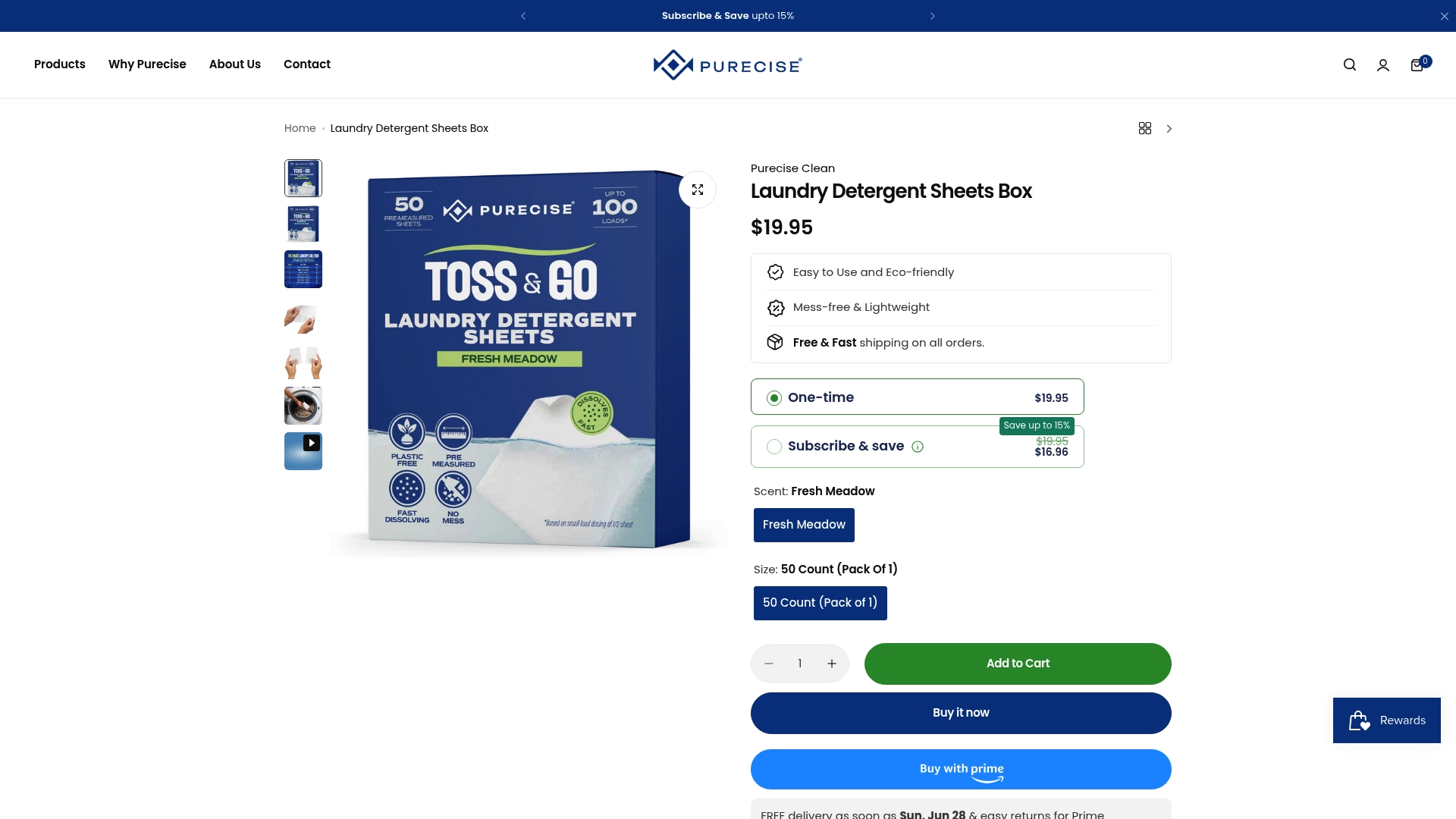
Purecise Toss & Go laundry detergent sheets are pre-dosed, plastic-free, and formulated with plant-based ingredients that work in cold water. Each sheet dissolves completely in any wash type, leaving no residue on clothes or skin. The hypoallergenic formula is safe for sensitive skin and free from phosphates, synthetic fragrances, and harsh surfactants. A full month’s supply fits in your pocket, eliminating the plastic bottle entirely. Purecise backs every order with a 100% money-back guarantee. Try the detergent sheets box or the sheet envelopes and see the difference one swap makes.
FAQ
What is an eco-friendly laundry routine?
An eco-friendly laundry routine is a set of washing and drying habits that minimize water use, energy consumption, and chemical exposure. It typically includes cold water washing, full loads, plant-based detergents, and air drying.
Does cold water actually clean clothes as well as hot water?
Yes. Plant-based detergents formulated for cold water clean everyday loads just as effectively as hot water cycles. Hot water is only necessary for sanitizing tasks like washing bedding after illness.
How do wool dryer balls help the environment?
Wool dryer balls reduce drying time by 15–25% and last over 1,000 cycles, replacing thousands of single-use dryer sheets and cutting electricity use per load.
Are laundry detergent sheets safe for sensitive skin?
Laundry sheets formulated with plant-based, phosphate-free, and fragrance-free ingredients are well-suited for sensitive skin. Purecise sheets use a hypoallergenic formula specifically designed to avoid common irritants found in conventional detergents.
How long does it take to build sustainable laundry habits?
Gradual, one-at-a-time swaps are more effective than complete routine overhauls. Most people establish a consistent sustainable routine within two to three months when they change one habit at a time.
Recommended
Top 5 Eco-Friendly Laundry Detergent Alternatives 2026
Types of Portable Apartment Laundry Supplies: 2026 Guide
Related Posts

Whiten White Clothes, No Chlorine: 4–8 Hour Soak, Premeasured Sheets

Remove Blood Stains from Clothes: Cold Water, Enzyme Soak, No Dryer

Pet Owners: Remove Hair from 5 Surfaces with a Washer and Dryer Trick

Wash Sheets Weekly, Dry Them Fully, and Stop Dosing Guesswork

6 Quick Steps to Remove Oil Stains at Home Without Ruining Clothes

Save Space: 50 Sheets Cover 50–100 Loads for Airbnb Hosts

Cut Detergent 25–50%: Use Premeasured Sheets for Soft Water


