

How to Avoid Detergent Overdosing in Shared Machines
Too much detergent is one of the most common laundry mistakes, and it causes real damage: residue on clothes, musty machine odors, and longer cycle times. To avoid detergent overdosing in shared laundry machines, follow these core rules:
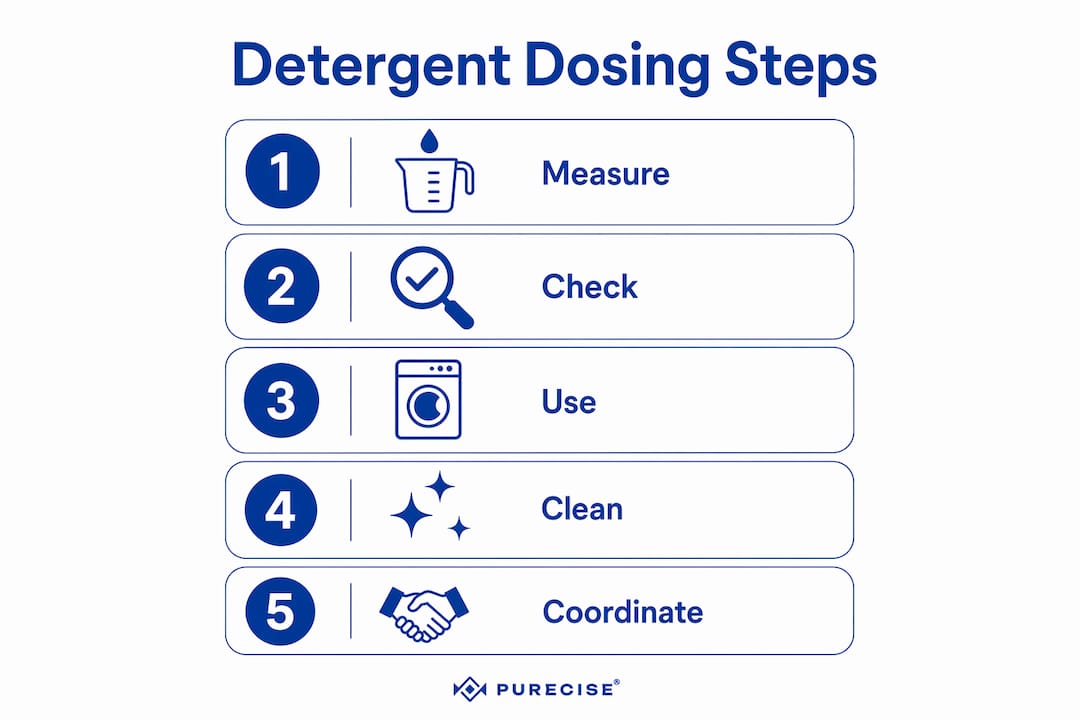
- Match the dose to your load. For a medium load (12–15 lbs), one ounce of detergent is enough. Standard caps typically hold two ounces, but this is more than necessary for most washes.
- Use HE detergent in HE machines. High-efficiency washers use less water, so they need HE-specific detergent in smaller amounts. Regular detergent or oversized doses leave undissolved residue.
- Check for a bulk dispenser first. If the machine has an auto-dispensing system enabled, do not add more detergent manually. Doubling up causes excess suds every time.
- Use pre-measured formats. Pods and detergent sheets remove the guesswork entirely. One sheet or one pod per regular load, no measuring cup needed.
- Recognize the warning signs early. Excess suds, stiff or waxy clothes, and a slimy drum are all signals you have been overdosing.
- Remove clothes promptly and wipe the drum. Leaving wet laundry sitting breeds mildew. A quick wipe of the door seal after your load protects the next user too.
- If the machine shows a “Sud” or “Sd” alert, let the cycle finish. Run a rinse/spin cycle afterward to clear leftover soap without adding anything new.
- Coordinate with neighbors. A quick note or conversation about dispenser settings prevents one person’s heavy hand from affecting everyone else’s wash.
How detergent overdosing damages shared and HE washers
HE washers use roughly 7 gallons of water per load compared to 19 or more gallons in older standard machines. That physics matters. With less water to dilute and rinse soap, excess detergent stays undissolved, coating drum walls and fabric fibers instead of washing away.
The machine does not stay silent about it. When suds build up past a threshold, the washer triggers a “Sud” or “Sd” alert and drops its spin speed to compensate. The result: clothes come out wetter, cycles run longer, and the machine works harder than it should.
Suds alerts are not malfunctions. Maytag explains that when a front-load washer displays “Sud” or “Sd” with the rinse light on, it is actively removing excess soap. Let the cycle finish. If the cycle-complete light appears alongside the suds code, the load may not be fully rinsed. Select a Rinse/Spin cycle to clear the remaining soap before your next wash.
Repeated overdosing compounds the problem. Residue accumulates in the drum, door gasket, and dispenser drawer, creating the conditions for mildew and persistent odors. Clothes develop a waxy, stiff feel as dried detergent coats the fibers, and towels lose absorbency. Overdosing also damages delicate fabrics by seeping deep into fibers and baking in during the drying cycle.
Shared laundry hygiene: what good etiquette actually looks like
Good shared machine care comes down to a few consistent habits, not a deep-clean marathon every week.
- Use the correct amount based on load size and soil level. Lightly soiled clothes need less detergent than heavily soiled ones. Adjust down before you adjust up.
- Remove your laundry promptly. Wet clothes sitting in a drum for more than 15 minutes start to smell, and that odor transfers to the machine. Prompt removal keeps the drum fresh for the next person.
- Wipe the drum and door seal after your load. A dry cloth across the gasket takes 20 seconds and removes the moisture that feeds mildew.
- Leave the door slightly open when allowed. Trapped humidity is the main cause of that sour smell in communal washers. Even a few inches of airflow makes a difference.
- Do not overload the machine. An overstuffed drum prevents proper water circulation, which means detergent does not rinse out fully, even at the right dose.
- Check dispenser settings before adding detergent. If a bulk auto-dispenser is active, adding manual detergent on top is a guaranteed overdose.
- Run a rinse/spin cycle if you suspect the previous user overdosed. This clears residual suds without rewashing your load or adding more detergent.
- Schedule periodic deep cleaning. Running an empty hot cycle with a washer cleaner tablet (such as affresh) once a month removes accumulated residue that daily wipes miss.
Pro Tip: Inspect the door gasket monthly for dark spots or slimy buildup. Catching it early takes a minute to wipe away. Ignoring it for weeks means a scrubbing session and potential mold remediation.
Coordinating with other users does not require a building-wide meeting. A simple note near the machine explaining the dispenser settings, or a reminder not to add extra soap when the bulk system is on, prevents most repeat problems. Consistent appliance care habits also extend machine life, which benefits everyone sharing the equipment.

Eco-friendly detergent options that make overdosing nearly impossible
The simplest fix for overdosing is removing the measuring step entirely. Pre-dosed formats do exactly that.
- Detergent sheets dissolve completely in any water temperature and any machine type, including HE front-loaders. One sheet per regular load, no cap, no scoop, no residue risk.
- Concentrated formulas require smaller volumes per load, which reduces the margin for error and cuts down on residue buildup over time.
- Hypoallergenic, fragrance-free options are safer for shared machines where users have different skin sensitivities. Harsh chemical residues left by one person’s detergent can irritate the next person’s laundry.
- Pods offer similar convenience to sheets for standard loads, though you cannot adjust the dose downward for smaller loads.
| Feature | Liquid detergent | Pods | Detergent sheets |
|---|---|---|---|
| Pre-measured dose | No | Yes | Yes |
| Works in HE machines | Yes (HE formula required) | Yes | Yes |
| Residue risk if overdosed | High | Low | Very low |
| Plastic packaging | Yes | Yes | No |
| Adjustable for small loads | Yes | Limited | Yes (half sheet) |
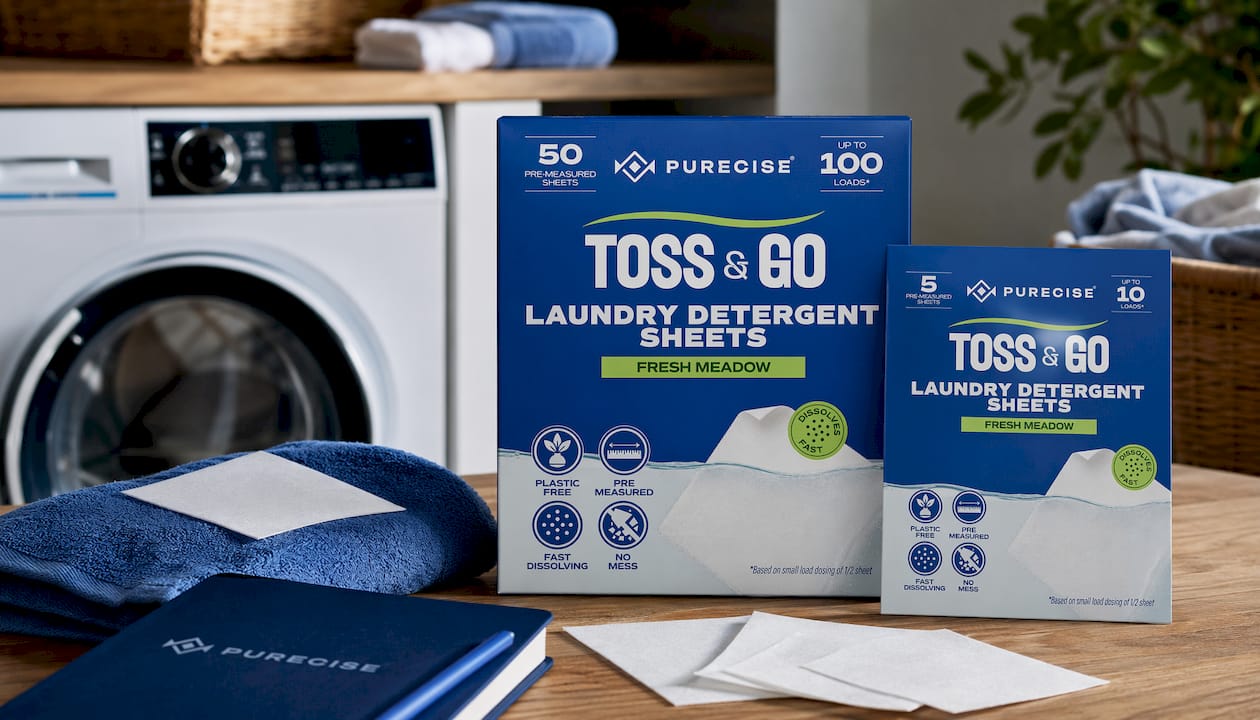
Purecise detergent sheets are pre-dosed and concentrated, dissolving fully in every wash cycle without leaving buildup in the drum or dispenser. The hypoallergenic formula contains no harsh chemicals, making it a practical choice for communal machines where multiple people with different sensitivities share the same equipment. A full month’s supply fits in a small envelope, which means no bulky bottles to store or spill in a shared laundry room.

For anyone tired of guessing how much is too much, Purecise laundry sheets eliminate the problem at the source. The envelope format is especially practical for apartment dwellers who carry their supplies to a communal laundry room.
Key Takeaways
Avoiding detergent overdosing in shared machines comes down to precise dosing, machine awareness, and consistent post-wash habits that protect both the equipment and everyone who uses it.
| Point | Details |
|---|---|
| Match dose to load size | One ounce of detergent is enough for a medium 12–15 lb load; standard caps typically hold two ounces, which is more than you need for most washes. |
| HE machines need less detergent | Low water volume means excess soap stays undissolved, causing residue and odors. |
| Suds alerts signal overdosing | A “Sud” or “Sd” code means the machine is clearing excess soap; run a Rinse/Spin cycle after. |
| Wipe and air out after each use | Removing moisture from the drum and door seal prevents mildew between users. |
| Pre-dosed formats prevent guessing | Detergent sheets and pods remove the measuring step and eliminate the most common overdosing cause. |
Recommended
What Is a Travel Laundry Bag System? 2026 Guide
Why Measuring Laundry Detergent Wastes Your Time
Related Posts

Whiten White Clothes, No Chlorine: 4–8 Hour Soak, Premeasured Sheets

Remove Blood Stains from Clothes: Cold Water, Enzyme Soak, No Dryer

Pet Owners: Remove Hair from 5 Surfaces with a Washer and Dryer Trick

Wash Sheets Weekly, Dry Them Fully, and Stop Dosing Guesswork

6 Quick Steps to Remove Oil Stains at Home Without Ruining Clothes

Save Space: 50 Sheets Cover 50–100 Loads for Airbnb Hosts

Cut Detergent 25–50%: Use Premeasured Sheets for Soft Water


