

Why Liquid Detergent Spills in Laundry Bags: Real Fixes
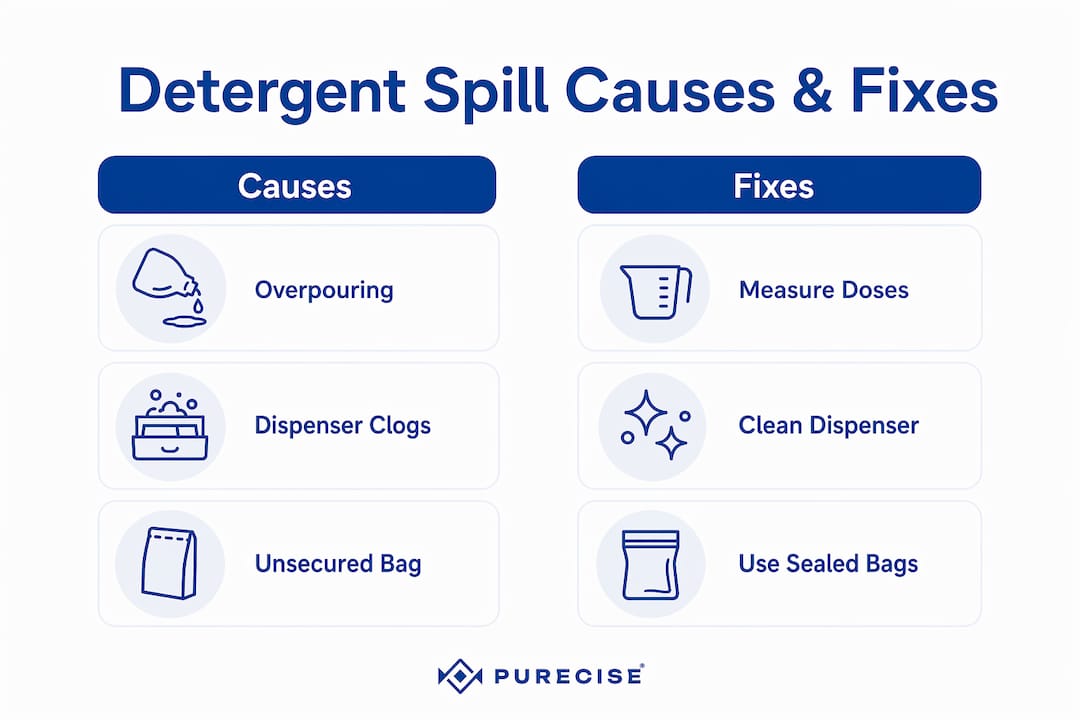
Liquid detergent spills in laundry bags happen because liquid cannot stay contained when you over-pour it, when the washer dispenser malfunctions, or when the bag itself fails to hold a proper seal. These are not random accidents. They follow predictable patterns tied to user behavior, appliance mechanics, and bag design. Brands like LG, Samsung, and Whirlpool all document dispenser-related leaks in their support guides, which tells you this is a widespread problem, not a one-off fluke. Understanding why liquid detergent spills in laundry bags is the first step toward stopping it for good.
Why does liquid detergent spill in laundry bags?
Liquid detergent leak causes fall into two clear categories: washer dispenser problems and user handling mistakes. Both produce the same result, a wet, soapy mess in or around your laundry bag, but they require different fixes. Knowing which category applies to your situation saves you time and prevents repeat spills.
The most common cause is simple: over-pouring detergent leads to excess liquid pooling in the dispenser or drum, and that liquid drips when the bag shifts during transport or loading. A loose bag opening makes things worse. If the bag is not sealed tightly, any pooled detergent finds the gap immediately.
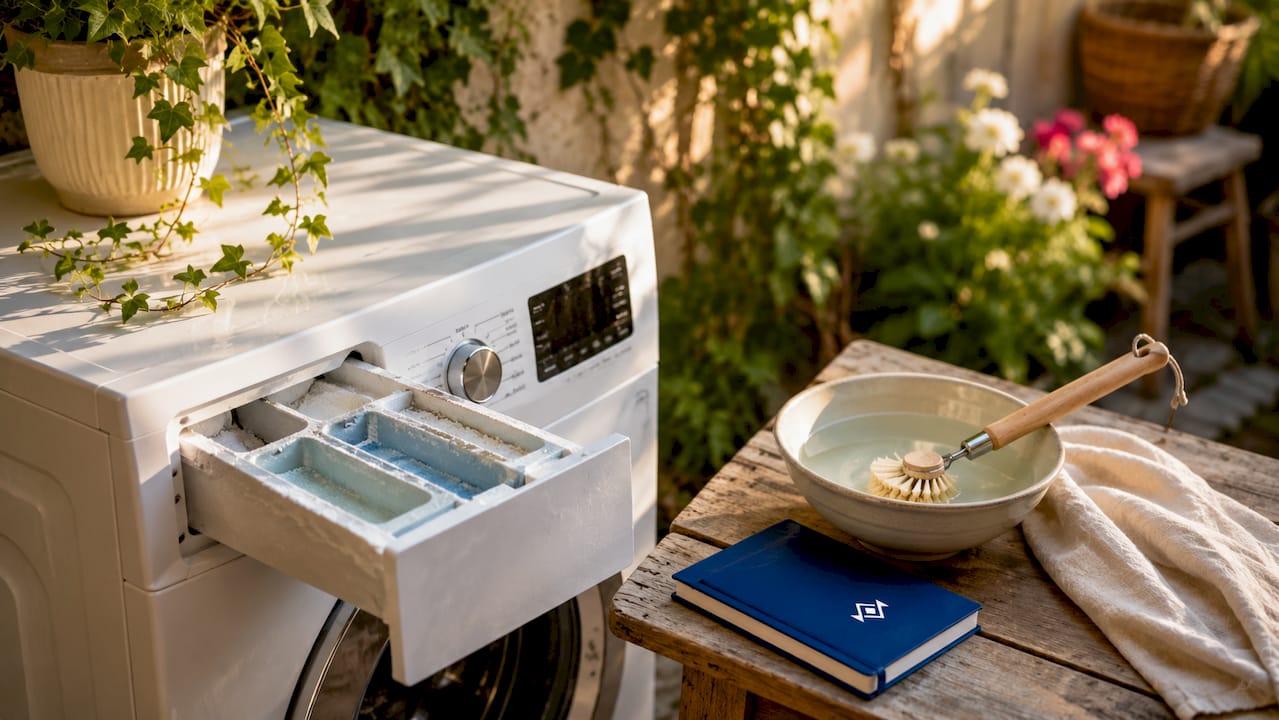
Washer dispenser issues are the second major cause. Clogged or dirty dispenser drawers block proper detergent flow, forcing liquid to back up and leak outward. Dispenser leaks are usually a system issue caused by clogs or buildup, not a defect with the detergent itself. Cleaning the dispenser drawer is the fastest fix.
What mechanical issues in washers cause detergent to leak?
Washer mechanics are responsible for a significant share of laundry bag detergent issues. Three specific problems drive most of these leaks.
Clogged dispenser drawers are the top mechanical culprit. Detergent residue hardens into blockages inside the dispenser drawer, blocking water flow and causing overflow that drips down the front of the machine and into bags sitting nearby. Samsung’s repair guides specifically flag this as a leading cause of soap dispenser leaks.
Over-sudsing in HE washers creates a different but equally damaging problem. High-efficiency machines use less water than standard washers. When you use too much detergent or the wrong detergent type, the excess suds have nowhere to go. Suds lock creates pressure buildup in the pump system, forcing foam to escape through exterior vents or door seals. That foam lands directly on laundry bags sitting in front of the machine.
Misaligned dispenser drawers cause intermittent leaks that are easy to miss. Slight misalignment creates micro-gaps that allow water and foam to escape during wash agitation. If your spills seem random or only happen sometimes, a drawer that is not fully seated is the likely cause.
Here is a quick breakdown of mechanical leak sources by washer type:
- Front-load washers: Dispenser drawer clogs, door seal foam overflow, misaligned drawer gaps
- Top-load washers: Overfilling the detergent compartment, suds overflow during agitation cycles
- HE washers (both types): Non-HE detergent causing excess suds, concentrated detergent residue buildup
Pro Tip: Pull out your dispenser drawer completely after every five washes and rinse it under warm water. Residue that looks minor can harden into a full blockage within weeks.
How does user behavior cause liquid detergent spills?
User mistakes drive a large share of detergent spillage prevention failures. The habits below are the most common offenders.
- Over-pouring detergent. Most people use two to three times more detergent than the label recommends. Using more detergent than recommended does not clean better. It causes over-sudsing that forces detergent to overflow and spill.
- Pouring detergent directly onto dry clothes. Liquid detergent poured directly onto fabric without water causes stains and residue. It also increases the chance of pooling liquid that drips when the bag moves.
- Using non-HE detergent in HE machines. Standard detergent produces far more suds than HE machines can handle. The result is foam overflow that reaches laundry bags sitting near the machine.
- Loose or poorly designed laundry bags. Bags with wide, unsecured openings let detergent drip straight in during loading. Thin mesh bags offer no resistance to liquid at all.
- Poor storage of detergent bottles. A bottle stored on its side or near the edge of a shelf tips easily. Even a small leak from a loose cap can saturate a laundry bag stored nearby.
Pro Tip: Use the measuring cap that comes with your detergent bottle and fill it only to the line marked for your load size. If your machine is HE, check the label specifically for HE dosing instructions, which are almost always lower than the standard dose.
Laundry bag safety tips often focus on the bag itself, but the detergent handling habits above cause more spills than bag design ever does.
What are the best ways to prevent detergent spills?
Detergent spillage prevention comes down to four areas: dosing, machine maintenance, bag selection, and storage. Address all four and spills become rare.
- Measure every dose. Use the measuring cap or a dosing ball. Never free-pour liquid detergent. A dosing ball sits inside the drum and releases detergent at the right moment, reducing dispenser overflow entirely.
- Clean your dispenser drawer monthly. Manufacturer manuals from Whirlpool and others recommend removing and cleaning the drawer regularly to prevent leaks. Run it under warm water and scrub any residue with a soft brush.
- Choose a laundry bag with a tight seal. Look for bags with zipper closures and water-resistant linings. Mesh bags are convenient but offer zero leak protection.
- Blot fresh spills immediately. Quick blotting is the recommended first step for fresh liquid detergent spills. Each paper towel saturates fast in heavy spills, so use several in quick succession.
- Use absorbents for large spills. Baking soda or cat litter absorbs pooled liquid detergent effectively. Pour it over the spill, let it sit for five minutes, then sweep or vacuum before wiping.
- Store detergent bottles upright with caps sealed. Keep bottles on a low, stable shelf away from laundry bags. A sealed cap and an upright position eliminate passive leaking entirely.
Here is a comparison of common spill prevention methods:
| Method | Best for | Limitation |
|---|---|---|
| Dosing ball | Drum dosing, HE machines | Requires rinsing after each use |
| Dispenser drawer cleaning | Mechanical leak prevention | Must be done consistently |
| Zipper-seal laundry bag | Transport and storage spills | Higher cost than mesh bags |
| Detergent sheets | Eliminating liquid entirely | Requires switching product format |
Pro Tip: Switching to pre-dosed detergent sheets removes the measuring step entirely. No liquid means no liquid spills, which solves the root cause rather than managing the symptom.
How to tell if spills come from the washer or the laundry bag
Diagnosing the source of a spill correctly saves you from fixing the wrong thing. Use the signs below to identify the origin.
Signs the washer dispenser is the source:
- Residue or dried detergent visible around the dispenser drawer
- Wet spots on the floor directly in front of the machine
- Foam visible around the door seal or exterior vents
- Spills happen during the wash cycle, not during loading or transport
Signs the laundry bag is the source:
- Wet spots appear before the wash starts
- Detergent smell is concentrated inside the bag, not around the machine
- The bag has a wide or unsecured opening
- Spills happen when you carry or move the bag
| Symptom | Likely source | First action |
|---|---|---|
| Residue around dispenser drawer | Washer dispenser clog | Remove and clean the drawer |
| Foam near door seal | Over-sudsing or suds lock | Reduce detergent dose, use HE formula |
| Wet bag before wash starts | Loose bag opening or bottle leak | Seal bag, check bottle cap |
| Intermittent dripping during cycle | Misaligned dispenser drawer | Reseat drawer fully, check alignment |
If cleaning the dispenser and correcting your detergent dose does not stop the leaks, the machine may need a professional inspection. Persistent foam overflow or door seal leaks that continue after maintenance often signal a pump or seal issue that requires appliance repair.
Key takeaways
Liquid detergent spills in laundry bags are caused by over-pouring, dispenser clogs, and unsecured bag openings, and every one of these causes has a direct, practical fix.
| Point | Details |
|---|---|
| Over-pouring is the top cause | Measure every dose using the cap or a dosing ball to prevent overflow. |
| Dispenser clogs drive mechanical leaks | Clean the dispenser drawer monthly to stop residue buildup and blockages. |
| HE machines need HE detergent | Using standard detergent in HE washers causes suds overflow that reaches laundry bags. |
| Bag design matters | Choose zipper-seal, water-resistant bags over open mesh bags to contain any drips. |
| Detergent sheets eliminate liquid spills | Pre-dosed sheets remove the measuring step and the liquid entirely. |
What I have learned from years of watching people fight detergent spills
The biggest misconception I see is that more detergent means cleaner clothes. It does not. It means more suds, more residue, and more spills. Every time someone doubles their dose “just to be safe,” they are creating the exact problem they are trying to avoid.
The second thing people consistently underestimate is how fast dispenser residue builds up. A drawer that looks clean to the eye can have a partial blockage forming inside the channel within a month of regular use. That blockage causes the kind of slow, intermittent drip that soaks a laundry bag sitting nearby without anyone noticing until the damage is done.
The fix that makes the biggest difference is also the simplest: stop using liquid detergent in situations where containment is difficult. If you travel with laundry, use a shared laundromat, or store detergent in a small space, liquid is the wrong format. The risk of sensitive skin reactions from detergent-soaked fabrics is also real, especially for children’s clothing that absorbs spilled detergent and holds it through a wash cycle.
Prompt spill response matters more than most people realize. Blot fast, use an absorbent, and rinse the area thoroughly. Detergent left to dry on fabric or flooring creates a residue that reactivates with moisture and causes repeat staining.
— Purecise
A spill-free alternative worth trying
Liquid detergent spills are a problem with a format solution, not just a behavior solution.

Purecise Toss & Go laundry detergent sheets are pre-dosed, dissolve completely in any wash temperature, and come in a compact envelope that fits in a pocket or travel bag. There is no bottle to tip, no cap to leave loose, and no measuring cup to overfill. Each sheet is plant-based, free from harsh chemicals, and hypoallergenic, making it safe for sensitive skin. A full month’s supply takes up less space than a paperback book. Purecise backs every order with a 100% money-back guarantee. You can try the detergent sheets envelopes or the detergent sheets box depending on how you prefer to buy.
FAQ
Why does liquid detergent keep spilling in my laundry bag?
Liquid detergent spills in laundry bags most often because of over-pouring, a loose bag opening, or a clogged washer dispenser that forces liquid to back up and drip. Fixing the dose and cleaning the dispenser drawer resolves most cases.
Can too much detergent cause my washer to leak?
Yes. Excess detergent causes over-sudsing, which creates pressure in the pump system and forces foam to escape through door seals or exterior vents, landing on laundry bags nearby.
How do I clean a liquid detergent spill from a laundry bag?
Blot the spill immediately with paper towels, then apply baking soda or cat litter to absorb remaining liquid. Rinse the area with cold water and allow it to air dry completely before using the bag again.
What type of laundry bag prevents detergent spills best?
Bags with zipper closures and water-resistant or coated linings offer the best protection against detergent drips. Open mesh bags provide no containment for liquid and should not be used when liquid detergent is involved.
How often should I clean my washer’s detergent dispenser?
Cleaning the dispenser drawer monthly or every other month prevents residue buildup that causes blockages and leaks. Whirlpool’s owner manual recommends removing the drawer fully and rinsing it under warm water on a regular schedule.
Recommended
Sustainable Laundry Packaging Alternatives Explained
Detergent Format for Communal Laundry: 2026 Guide
Related Posts

Remove Makeup Stains on the Go With a 10–15 Minute Pretreat

Remove Lipstick Stains: The First 15 Minutes, Plus Detergent Sheets

How Often to Wash Towels: Bath Weekly, Hand Towels Every Few Days

Detergent Allergy Rash: Test a Low Residue Wash Without Fragrance

Save Clothes From Mud Stains in 1–2 Hours With Premeasured Sheets

Fabric First Sweat Stain Fixes: Measured DIY Recipes and Sheets

Whiten White Clothes, No Chlorine: 4–8 Hour Soak, Premeasured Sheets


