

Remove Makeup Stains on the Go With a 10–15 Minute Pretreat
The fastest safe move when you spot a makeup stain is to lift off any excess, blot (never rub), then pretreat with a stain remover or liquid detergent before laundering in the hottest water your fabric tolerates. Don’t put the item in the dryer until the stain is completely gone. For delicate fabrics, test any solvent on a hidden seam first.
TL;DR:
- When laundry is unavailable, remove loose powder with cool air, place an absorbent pad beneath the stain, and use dish soap on oily foundation.
- Waterproof mascara and long wear lipstick resist water because of waxy binders, so enzyme detergent or oil free remover often needs repeated pretreatment.
- For silk or wool, use cold water and mild detergent after testing a hidden seam; take dry clean only garments to a professional cleaner.
- For a stain that survives washing, repeat pretreatment or use oxygen bleach; after testing, 3% hydrogen peroxide can lift pigment from white or colorfast fabrics.
Table of Contents
- Quick no-wash actions when you can’t launder right away
- Pretreat and launder: the step-by-step method that works
- Treating foundation, lipstick, mascara, and powder stains
- Handling silk, wool, and dry-clean-only fabrics safely
- Rescuing set-in or heat-set makeup stains
- Prevention tips and building a travel stain kit
- Our take on practical, travel-ready stain care
- Keeping Toss & Go sheets in your emergency stain kit
- FAQ
- Sources
Quick no-wash actions when you can’t launder right away
When you’re away from a washing machine, your goal is to stop the stain from setting any further.
- Scrape off dried or caked makeup gently with a spoon edge or an old credit card.
- Brush loose powder away with a cool-air hair dryer or a lint roller rather than touching it.
- Blot (don’t rub) with a white paper towel or cloth to lift excess pigment, moving to a clean section of cloth as it picks up color.
- Slide an absorbent pad, like a folded paper towel, underneath the stain so it pulls color through the fabric instead of pushing it deeper.
- Dab rubbing alcohol or an alcohol-based hand sanitizer onto lipstick or pigmented stains using a white cloth.
- Work in a small amount of dish soap or liquid laundry detergent to break down oily foundation or mascara.
- Shaving cream is a known home trick for lifting some makeup stains in a pinch: smooth a bit on, let it sit, then blot it away before the item goes in the wash, as Apartment Therapy has documented.
Pro Tip: Always blot toward the center of the stain, never outward, so you don’t spread pigment into clean fabric.
Pretreat and launder: the step-by-step method that works
Once you’re ready to wash the item, follow a process instead of guessing. The American Cleaning Institute recommends treating cosmetics stains with a prewash stain remover or liquid detergent, then laundering in the hottest water the fabric can safely handle.
- Check the care label and pick the warmest water setting the fabric allows.
- Apply a prewash stain remover or liquid detergent directly to the stain and let it sit for 10 to 15 minutes so the enzymes or surfactants can start breaking down oils and pigment.
- Rinse from the back of the fabric under running water to flush the pigment out of the fibers instead of pushing it further in.
- Wash with your regular detergent, then check the item before drying. If any trace of the stain remains, repeat the pretreatment rather than drying it.
- If laundering alone doesn’t fully clear it, soak the item in an oxygen-based bleach solution following the package directions, then rewash.
Lipstick in particular often needs a second round of this process, and skipping the dryer until the stain is gone matters more than any single product you use.
Treating foundation, lipstick, mascara, and powder stains
Different makeup products behave differently in fabric, so the right first move depends on what caused the stain.
- Foundation (liquid or cream): This is a combination stain of oils and pigment. Lift off any excess, pretreat with liquid detergent or dish soap, rinse from the back, then launder as usual, a method Real Simple points to for this type of stain.
- Powder makeup (blush, eyeshadow): Remove loose particles first by brushing or blowing them off before any liquid touches the fabric, then pretreat and wash normally.
- Lipstick: Scrape off solids, dab rubbing alcohol or distilled white vinegar onto a white cloth, then pretreat and launder. Expect to repeat the treatment once since waxy pigments tend to cling to fibers.
- Mascara and waterproof makeup: These rely on oily, waxy binders that resist plain water. An enzyme-based detergent or an oil-free makeup remover applied before washing helps break the bond, and repeat treatment is common.
Enzyme-based stain removers are especially suited to foundation and mascara because they target the oil and protein components these formulas contain. We cover how these cleaners work in more detail in our guide on how enzyme cleaners work. If the makeup is a long-wear or waterproof formula, plan on more than one pretreat cycle, and consider professional cleaning for a garment you don’t want to risk.
Handling silk, wool, and dry-clean-only fabrics safely
Delicate fibers react differently to solvents than cotton or synthetics do, so caution matters more than speed here.
- Test any cleaner or solvent on an inside seam or hem first. Textile extension guidance notes that natural fibers like silk and wool can react unpredictably, so colorfastness testing before treating a visible area is worth the extra step.
- For silk and wool, use cold water with a very mild detergent, dabbing and blotting gently. Skip strong alcohols or peroxide unless your colorfastness test confirms they’re safe.
- For dry-clean-only garments, remove excess solids and avoid aggressive home solvents entirely. Take the item to a professional cleaner as soon as you can, and mention the stain so they know what they’re working with.
Rescuing set-in or heat-set makeup stains
A stain that survives one laundering cycle isn’t necessarily permanent, but the dryer makes it so.
- Do not dry the item. Repeat the pretreatment and laundering steps first, since a second round often finishes what the first started.
- Mix an oxygen-based bleach soak according to the package directions, submerge the item, and agitate it periodically. Deep or older stains may need a longer soak, following the product package directions.
- A 3% hydrogen peroxide solution can help lift organic pigment from white or colorfast fabrics, a method CNET has recommended for stubborn stains on sheets and pillowcases. Test it first and use it sparingly.
- If none of this clears a stain on something you value, professional cleaning is the next sensible step rather than repeated home attempts that risk the fabric.
Prevention tips and building a travel stain kit
A little prevention saves a lot of scrubbing later.
- Let makeup dry fully before getting dressed, and wear an old shirt or robe while applying heavier products.
- Pack alcohol wipes, a small travel detergent option, a few white cloths or paper towels, and a stain stick together in one pouch.
- A premeasured travel-format detergent that dissolves in cold water is worth keeping in that kit for a quick hand pretreat or wash when you’re nowhere near a laundry room.
Pro Tip: Keep your stain kit in the same bag you use for makeup, so it’s never more than an arm’s length away when you need it.
Our take on practical, travel-ready stain care
We build compact, premeasured wash options because stains rarely wait for a laundry room. Always test a cleaner on a hidden spot first and follow the garment’s care label. We also stand behind every box with our Keep It or Toss It Guarantee.
— Purecise
Keeping Toss & Go sheets in your emergency stain kit
A Toss & Go sheet dissolves completely in hot or cold water, which makes it easy to mix a small pretreat or hand-wash solution right over a stained area, no measuring cup required.
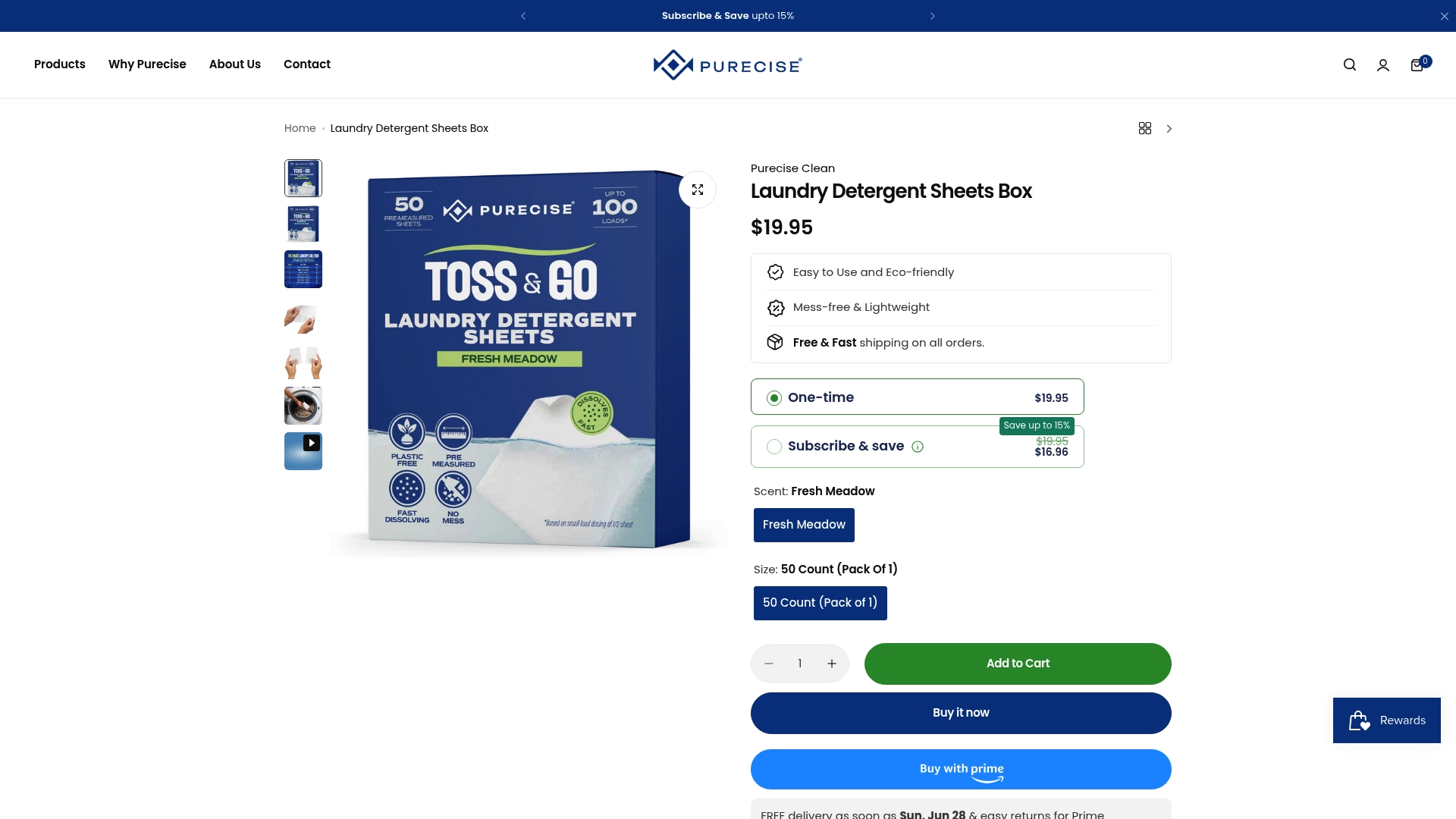
A travel option fits in a makeup bag or carry-on for exactly this kind of emergency, while a full box works for a home kit. Fragrance Free is made without added fragrance or dyes, for anyone who prefers to skip both. Premeasured dosing means no jug, no guessing, and a sheet that packs flat wherever your stain kit lives. Browse the full Toss & Go lineup to find the format that fits your routine.
FAQ
What removes makeup stains from clothing?
Lifting off excess product, blotting with rubbing alcohol or dish soap depending on the stain type, then pretreating with a stain remover or liquid detergent before laundering in hot water removes most makeup stains. The American Cleaning Institute recommends holding off on the dryer until the stain is fully gone.
What is the hardest stain to remove from clothes?
Waterproof and long-wear formulas, like waterproof mascara or long-wear lipstick, tend to be the toughest because their waxy, pigment-heavy binders resist plain water and often need more than one pretreat cycle. Enzyme-based detergents paired with repeated treatment usually make the most progress on these.
How do I get mascara out of white sheets?
Scrape off any dried mascara, then dab the stain with an oil-free makeup remover or enzyme detergent to break down the waxy binder before washing. A 3% hydrogen peroxide solution can help lift remaining pigment on white fabric, tested first on a small area, as CNET notes.
How do I get eyeshadow out of a couch?
Brush or vacuum off as much loose powder as possible before applying any liquid, since wetting the particles first can grind them deeper into upholstery fibers. Once the loose powder is gone, dab the spot with a cloth dampened in mild detergent solution, working from the outside in, and blot dry rather than rubbing.
Sources
- Ask ACI: Make Up Stains | The American Cleaning Institute (ACI)
- Remove Stains From Home Permanent | Textiles
- How to Get Makeup Out of Clothes—Steps to Treat Stains
- The Best Way to Remove Stubborn Makeup Stains From …
Recommended
Related Posts

Remove Lipstick Stains: The First 15 Minutes, Plus Detergent Sheets

How Often to Wash Towels: Bath Weekly, Hand Towels Every Few Days

Detergent Allergy Rash: Test a Low Residue Wash Without Fragrance

Save Clothes From Mud Stains in 1–2 Hours With Premeasured Sheets

Fabric First Sweat Stain Fixes: Measured DIY Recipes and Sheets

Whiten White Clothes, No Chlorine: 4–8 Hour Soak, Premeasured Sheets


