

Remove Lipstick Stains: The First 15 Minutes, Plus Detergent Sheets
Blot off excess lipstick immediately, pretreat with liquid laundry detergent or dish soap, then launder in the hottest water safe for the fabric before drying. The American Cleaning Institute confirms this sequence works because heat and friction can set waxy lipstick pigment permanently.
TL;DR:
- Scrape off excess, blot without rubbing, pretreat for 10 to 20 minutes, and wash at the hottest safe setting; repeat before drying if color remains.
- Glossy formulas often respond to detergent or dish soap alone; matte or transfer resistant formulas may need 70% to 90% isopropyl alcohol first.
- Patch test delicates, then blot with 70% to 90% isopropyl alcohol; stop after one failed attempt and take the garment to a professional cleaner.
- For carpet or upholstery, test a hidden area, apply cleaner sparingly, and blot; repeat only once, then call a professional if the mark persists.
- If lipstick transfers inside a dryer, stop the cycle, clean the drum with mild detergent, and rewash affected garments before loading anything else.
Table of Contents
- Quick-action checklist for fresh stains (first 15 minutes)
- Step-by-step: removing lipstick from washable clothing
- Treating delicates, silk, wool, leather, and dry-clean-only items
- How to remove lipstick from carpets, rugs, and upholstered furniture
- Fixes for dryer contamination and cleaning hard surfaces
- How Toss & Go sheets fit into lipstick-stain routines
- Identify types of lipstick ingredients to tailor stain removal methods
- Environmental and fabric safety considerations when choosing stain removers
- Alternative natural or home remedies for removing lipstick stains
- Step-by-step guide for hand-washing stained items with detergent sheets
- How to use detergent sheets specifically for pretreatment of lipstick stains
- Personal habits that prevent repeated lipstick mishaps
- Where to get Purecise Toss & Go sheets for stain-prone wardrobes
- FAQ
- Sources
Quick-action checklist for fresh stains (first 15 minutes)
Acting within the first few minutes gives you the best shot at full removal, since lipstick pigment migrates deeper into fibers the longer it sits.
- Scoop or scrape off excess lipstick with a blunt edge, like the back of a spoon.
- Blot, never rub, the area with white paper towels to lift surface pigment.
- Apply dish soap or liquid laundry detergent directly to the stain and work it in gently with your fingers or a damp stain brush.
- For delicates or cloth napkins, dab 70% to 90% isopropyl alcohol onto the mark and blot through clean paper towels.
- Let the pretreatment sit for 10 to 20 minutes, then launder at the hottest temperature the fabric care label allows.
- Check the spot before drying. If any color remains, repeat the pretreat and wash cycle rather than reaching for the dryer.
Pro Tip: Keep a damp white cloth underneath the stain while you blot, so pigment transfers away from the fabric instead of spreading to a dry section.
Patience matters more than force here. Rubbing hard pushes wax and pigment further into the weave, while a calm blot-and-pretreat cycle lifts it out layer by layer.
Step-by-step: removing lipstick from washable clothing
Start with a dry-lift before any liquid touches the fabric. Scrape the bulk of the lipstick toward the center of the stain with a blunt spoon, then blot with paper towels to absorb what’s left on the surface.
Next comes the pretreatment. You have three solid options:
- A few drops of liquid laundry detergent worked gently into the fibers.
- A small amount of dish soap, which acts as a surfactant to break the oily base apart.
- A commercial prewash stain spray applied directly to the mark.
Whichever you choose, massage it into the stain and let it sit for 10 to 20 minutes before washing. The American Cleaning Institute notes that lipstick often needs a second round of pretreatment before it fully releases, so do not be surprised if one pass isn’t enough.
Hot water does the heavy lifting here. Use the hottest temperature your garment’s care label allows, since heat helps break down the waxes and oils that bind lipstick pigment to fabric. A standard detergent dose, whether from a liquid measure or a single pre-dosed Toss & Go sheet, supplies the surfactants that finish the job once hot water loosens the wax structure.
Before you dry anything, inspect the spot under good light. If a shadow of color remains, repeat the pretreat and wash cycle. The one rule you cannot skip: never run a stained item through the dryer until the mark is completely gone, because heat can set what’s left permanently.
Treating delicates, silk, wool, leather, and dry-clean-only items
Delicate fabrics call for a gentler, more cautious routine. Always patch-test your cleaner on an inside seam first and use a white cloth to watch for any color transfer or fiber damage.
- Dry-lift the wax first with a blunt edge before applying anything wet.
- Dampen a cloth with 70% to 90% isopropyl alcohol and blot the stain through clean paper towels until pigment lifts.
- Skip makeup removers and acetone on leather or any finished surface, since these solvents can strip coatings and dull the finish.
- If the item is dry-clean only, or the stain hasn’t budged after one careful attempt, stop and take it to a professional rather than risk the fabric.
How to remove lipstick from carpets, rugs, and upholstered furniture
Carpet and upholstery need a different touch than clothing, since you’re working around backing and finishes that can’t go in a washing machine.
- Lift any solid lipstick first with a blunt edge, working from the outer edge of the stain inward.
- Blot, never scrub, with absorbent white towels to avoid spreading pigment into clean fibers.
- Test a hidden spot with a weak dish-soap solution or isopropyl alcohol, depending on the fiber and finish.
- Apply your chosen solution sparingly and blot repeatedly through fresh towels until no more color transfers.
- Let the area air dry completely, then inspect it.
- If the stain is visibly lighter, repeat the process exactly once more. If it’s not improving, or it’s a large or set-in mark, call a professional cleaner instead of pushing further.
The Stain Library notes that carpet backing and upholstery finishes limit which solvents are safe, which is why testing first matters more here than almost anywhere else.
Pro Tip: Never use heat, like a hairdryer, to speed up drying on carpet or upholstery. It can set any remaining pigment just as surely as a clothes dryer does.
Watch for warning signs that your treatment is causing harm rather than helping: color bleeding beyond the stain’s original edges, a rough or stiff patch forming in the pile, or the carpet backing feeling damp and spongy after drying.
Fixes for dryer contamination and cleaning hard surfaces
If lipstick runs during a dryer cycle, stop the machine immediately. Remove every item inside, then wipe down the drum with a mild detergent solution on a soft cloth before running anything else through it. Once the drum is clean, rewash any garments that picked up transferred color.
- For countertops or finished wood, start with a mild detergent and a soft cloth, and test in a hidden spot before treating the visible area.
- Avoid acetone on finished wood or painted surfaces, since it can strip sealants and discolor the finish.
- For leather, use a manufacturer-recommended leather cleaner or saddle soap, and always patch-test on an inconspicuous section first.
BHG’s testing found that when lipstick contaminates a dryer, cleaning the drum before the next load is the only way to stop pigment from redepositing on fresh laundry.
How Toss & Go sheets fit into lipstick-stain routines
A pre-measured detergent sheet gives you the same surfactants a liquid pretreat relies on, without a jug to dig out of a cabinet or pack for a trip. That matters for lipstick stains, since both pretreating and the final wash need a working surfactant dose to lift wax and pigment.
- Dissolve a Fresh Meadow or Fragrance Free sheet in a sink of warm water and soak a stained blouse before spot-treating further.
- Use one sheet at normal dosing in a full machine wash, the same way you’d measure liquid detergent.
- Tuck a travel pack in a bag so a stain at a dinner or on a trip gets pretreated the moment you notice it.
Every intentionally added ingredient is published with CAS numbers at our ingredients page, and Fragrance Free is formulated without added fragrance or dyes. Each sheet dissolves fully in hot or cold water, and every order carries our 30-day Keep It or Toss It Guarantee.
Identify types of lipstick ingredients to tailor stain removal methods
Not all lipstick behaves the same way on fabric, and knowing which type you’re dealing with helps you pick the right approach. A cosmetic chemist’s breakdown describes lipstick as a microfilm emulsion built from waxes, oils, and dyes, and the ratio of those components shifts depending on the formula.
Oil-based and creamy lipsticks spread more easily but also lift more readily with a surfactant like dish soap or laundry detergent, since the oils respond well to that kind of treatment. Matte formulas tend to carry a higher wax content, which makes them grip fabric fibers more stubbornly and often benefits from an isopropyl alcohol step to dissolve the wax base before you pretreat with detergent. Long-wear lipsticks are engineered to resist transfer and moisture, so they frequently contain film-forming polymers that make the stain more resistant overall.
Knowing this, you can adjust your approach: a glossy or balm-type lipstick stain usually responds well to detergent or dish soap alone, while a matte or long-wear stain often needs the one-two combination of alcohol first, then detergent. Checking the lipstick’s finish before you start treatment saves time and reduces the number of passes a stain needs before it’s fully gone.
Environmental and fabric safety considerations when choosing stain removers
The cleaner you reach for matters for more than just the stain. Harsh solvents like acetone or straight bleach can strip dye and weaken fibers, and they carry their own disposal and ventilation concerns at home. Sticking with surfactant-based options, like dish soap and standard laundry detergent, avoids many of those issues while still breaking down lipstick’s oil and wax components effectively.
Fabric safety follows a similar logic. A UGA Extension resource points out that over-wetting a stain or using the wrong chemical can cause color bleeding, fiber swelling, or backing breakdown, problems that can end up more visible than the original lipstick mark. That’s the reasoning behind testing any product in a hidden spot first, especially on delicates, carpet, or anything with a finish.
Choosing a plant-based detergent also limits what goes down the drain and into fabric fibers and builds on low-impact laundry habits that save water and energy. A concentrated detergent sheet delivers a full, pre-measured dose without the plastic jug that liquid detergent typically requires, so you’re not adding to the plastic waste stream every time you do a load. For stain treatment specifically, a milder surfactant approach paired with hot water usually resolves lipstick without needing anything more aggressive, which keeps both your fabric and your household chemical use simpler.
Alternative natural or home remedies for removing lipstick stains
If you’d rather skip commercial stain removers, a few household staples handle lipstick reasonably well. Dish soap remains one of the most accessible options, and BHG’s testing found that Dawn dish soap outperformed some commercial stain removers on a large red lipstick stain in their trial.
Rubbing alcohol is another pantry staple that works by dissolving the waxy binder in lipstick, which loosens pigment so it blots away more easily. A paste made from powder detergent and a small amount of water, worked gently into the stain, offers a milder alternative when you’re worried about a more delicate fabric reacting to straight liquid detergent or alcohol.
Whichever remedy you choose, the same ground rules apply: test it on a hidden area first, apply it before the stain has a chance to set, and blot rather than scrub. None of these home options are faster or gentler than they sound, but they’re genuinely effective when used correctly and promptly. The real variable isn’t which remedy you pick, it’s how quickly you act and how carefully you follow through with a proper hot-water wash afterward.
Step-by-step guide for hand-washing stained items with detergent sheets
Hand-washing gives you more control over a stained item than tossing it straight into the machine, especially for a single stubborn mark.
Fill a sink or basin with warm water and let one detergent sheet fully dissolve before adding the garment, rather than laying the sheet directly on the fabric. Submerge the stained section and let it soak for 10 to 20 minutes, giving the surfactants time to work into the lipstick’s oil and wax.
After soaking, gently rub the stained area between your fingers or with a soft brush to help loosen any remaining pigment. Rinse thoroughly with clean water and check the spot under good light. If a trace of color remains, repeat the soak rather than moving on to drying.

Once the stain is fully gone, rinse the item one more time and either air dry it or launder it normally in the machine. This approach works particularly well for a single stained blouse or napkin when running a full machine cycle feels like overkill, and it travels easily since a dissolved sheet works the same in a hotel sink as it does at home.
How to use detergent sheets specifically for pretreatment of lipstick stains
Pretreatment is where a detergent sheet earns its keep before a stain ever reaches the wash cycle. Tear a small piece off a sheet, or use a full one for a larger stain, and dissolve it directly in a small amount of warm water to create a concentrated solution.
Dab this solution onto the lipstick mark with a clean cloth, working from the outside of the stain inward to avoid spreading it further. Let it sit for 10 to 20 minutes, the same window recommended for liquid detergent pretreatment, so the surfactants have time to break the stain’s oils apart.
This method works well when you’re traveling and don’t have liquid detergent on hand. A travel pack of sheets dissolves the same way whether you’re at a hotel sink or your own laundry room, which makes it a practical stand-in for a prewash spray you might otherwise forget to pack. Once the pretreatment has done its work, launder the item as usual in the hottest water the fabric allows.

Personal habits that prevent repeated lipstick mishaps
Carry a small pretreat stick or a travel detergent sheet in your bag alongside a few tissues, so a stain gets treated the moment it happens rather than hours later. Check pockets and collars before every wash, since lipstick marks hide easily on dark fabric.
Build a simple habit: blot, pretreat, launder, check before drying. The same four steps handle nearly every lipstick stain you’ll run into.
— Purecise
Where to get Purecise Toss & Go sheets for stain-prone wardrobes
A stain-prone wardrobe benefits from having a pretreat on hand before you need it, not after. Our Toss & Go Laundry Detergent Sheets give you a pre-measured dose for every load, whether you’re pretreating a lipstick mark in a sink soak or running a full machine wash at standard dosing.
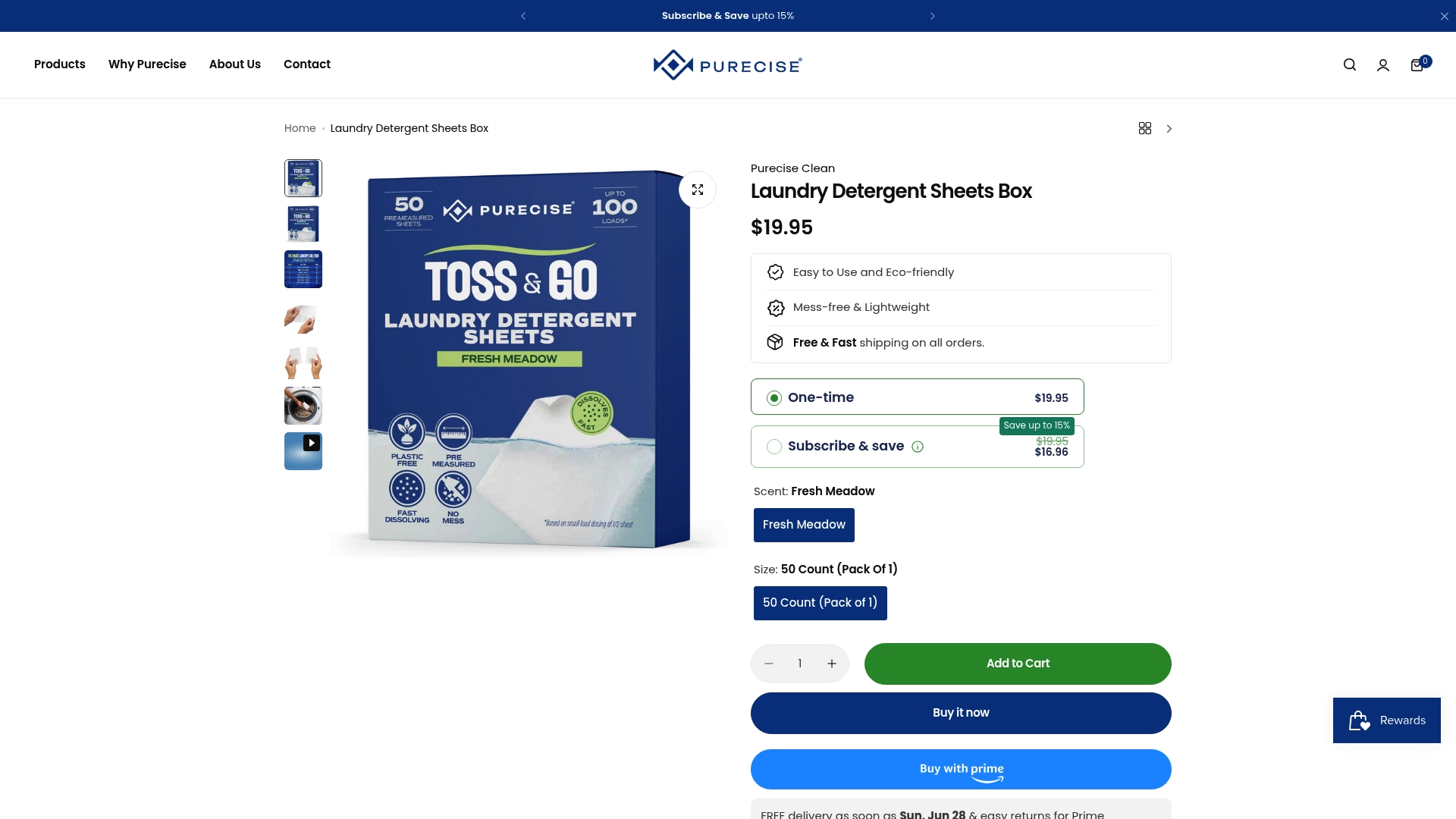
Each sheet dissolves completely in hot or cold water, so there’s no guessing with liquid measuring cups. Our Fragrance Free option skips added fragrance and dyes entirely, and every ingredient we add is listed with CAS numbers on our ingredients page. A box of detergent sheets is lightweight and portable, suitable for travel, and includes a customer satisfaction guarantee with options for refund or replacement without return shipping.
- Use one sheet dissolved in a sink for spot-treating a single stained garment.
- Use one sheet at normal machine dosing for a full laundry load.
- Pack the Travel 3-Pack for pretreating stains away from home.
Browse our full lineup on the Toss & Go collection page and keep a pack within reach for the next lipstick mishap.
FAQ
Can lipstick stains come out of clothes?
Yes, most lipstick stains come out of washable clothing when you blot off excess, pretreat with liquid detergent or dish soap, and wash in the hottest water the fabric allows. The American Cleaning Institute notes that stubborn stains sometimes need a second round of pretreatment before the mark fully releases.
How can I remove lip stains from my skin?
Gently wipe the area with a cotton pad and a mild cleanser or micellar water, since skin needs a softer approach than fabric. Avoid scrubbing, which can irritate the skin, and follow with a regular moisturizer afterward.
How do I clean my lipstick?
Cleaning the lipstick product itself, like a tube or bullet, usually just means wiping the case with a damp cloth and letting it air dry. For the stain the lipstick leaves on fabric or skin, follow the blot-pretreat-launder routine described above rather than treating the cosmetic itself.
How long do lipstick stains last?
A fresh lipstick stain treated promptly with detergent or isopropyl alcohol often lifts within one or two pretreatment cycles, while a stain left untreated can set permanently once it goes through a hot dryer. Guidance on delicate fabrics points out that removal success drops notably the longer pigment sits in the fibers, so speed matters more than any single product you choose.
What tools help with lipstick stain removal?
A blunt edge like a spoon for scraping, white cloths or paper towels for blotting, and a soft stain brush for working in detergent all help without damaging fabric. Keeping these on hand, along with a travel detergent sheet or pretreat stick, makes it easier to act the moment a stain happens.
Sources
- Stain Removal Guide | The American Cleaning Institute (ACI)
- Remove lipstick from nylon carpet | The Stain Library
- How to get lipstick stains out of clothes | BHG
Recommended
How Often to Wash Towels: Bath Weekly, Hand Towels Every Few Days
Remove Makeup Stains on the Go With a 10–15 Minute Pretreat
Related Posts

Remove Makeup Stains on the Go With a 10–15 Minute Pretreat

How Often to Wash Towels: Bath Weekly, Hand Towels Every Few Days

Detergent Allergy Rash: Test a Low Residue Wash Without Fragrance

Save Clothes From Mud Stains in 1–2 Hours With Premeasured Sheets

Fabric First Sweat Stain Fixes: Measured DIY Recipes and Sheets

Whiten White Clothes, No Chlorine: 4–8 Hour Soak, Premeasured Sheets


