

Remove Berry Stains: Cold Water First, Detergent Sheets on the Go
To remove berry stains, act before the pigment dries: blot off any excess, then flush the stain from the back of the fabric with cold running water, roughly 65–75°F. Keep the item away from the dryer and iron until the mark is completely gone, because heat sets the pigment. Then pretreat with an enzyme detergent and launder per the care label.
TL;DR:
- For dried stains, start with an enzyme detergent or color safe oxygen bleach soak lasting several hours or overnight, then repeat gentle treatments if needed.
- Use chlorine bleach only on white cotton or linen; peroxide may work on some colors, but test either treatment on a hidden spot first.
- For carpet and upholstery, blot with a white cloth and a little dish soap in lukewarm water, keeping the padding from getting soaked.
- Treat silk, wool, and valuable vintage pieces gently: test a hidden area, avoid peroxide and vigorous rubbing, and consult a professional cleaner.
Table of Contents
- How do you treat a fresh berry stain on washable fabric?
- What if the berry stain is dried or already set?
- How do you clean berry juice from carpet and upholstery?
- What about silk, wool, and dry-clean-only items?
- What are the safety rules for treating berry stains?
- A quick note on laundry habits that help
- How do Toss & Go sheets fit into your stain routine?
- FAQ
- Sources
How do you treat a fresh berry stain on washable fabric?
Berry stains are tannin-based, so speed and temperature matter more than any fancy product. Work through these steps in order:
- Lift solids first with a dull knife or spoon, working from the stain’s edge toward the middle so you don’t push it outward.
- Turn the fabric over and flush the stain from the back under cold running water, which pushes pigment out the way it came in.
- Blot with a clean white cloth or paper towel. Gentle tamping beats scrubbing, and light blotting is safer than aggressive rubbing because it lifts color without grinding it into the fibers.
- Pretreat by working a small amount of enzyme-based liquid detergent into the stain.
- Wait briefly, then launder in the warmest water the fabric allows.
- Check the stain while the item is still damp, and air-dry only if it’s fully gone.
No detergent at hand? These stand-ins can hold you over:
- Club soda poured over the stain, then blotted.
- White vinegar dabbed on with a cloth, then rinsed with cold water.
Berry stains respond to prompt pretreatment with club soda, vinegar, or enzyme detergents, and you can reach for any of these within minutes of the spill.
Pro Tip: Keep a spoon, a white cloth, and a small bottle of enzyme detergent in a kitchen drawer so the first minute after a spill isn’t spent hunting for supplies.
What if the berry stain is dried or already set?
An old stain needs patience rather than force. Start with the gentlest option and move up only if the mark stays. Many extension guides follow the same ladder: methods run from gentlest to harshest, and you stop once the stain is gone.
- Enzyme or oxygen soak first. Dissolve an enzyme detergent or a color-safe oxygen-based bleach in water per the package directions and soak the item for several hours or overnight.
- Chlorine bleach for whites only. On white cotton and linen, a short, properly diluted chlorine-bleach soak can work. Follow the product’s dilution directions and test a hidden spot first.
- 3% hydrogen peroxide as a spot oxidizer. Apply it to the stain on some colors and whites after a patch test. Mix it fresh and never store it.
- Repeat, don’t escalate. Several gentle rounds may be preferable to one harsh treatment. Never put the item in the dryer between attempts, because heat locks in whatever color remains.
Know when to quit. If the stain has faded as far as it will and the fabric is starting to look dull or rough, a professional cleaner is a better next step than another chemical.
Pro Tip: Soak the item in a basin or sink, not the washer drum, so you can lift it out and look at the stain every hour or so.
How do you clean berry juice from carpet and upholstery?
Porous surfaces soak up liquid, so your goal is to lift color while adding as little water as possible.
- Scoop off any solids, then blot from the outside of the stain toward the center so it doesn’t spread.
- Mix a little dish soap into lukewarm water and blot with a white cloth, switching to a clean section as dye transfers.
- Rinse by blotting with plain water until no more color lifts, then blot dry and let the spot air-dry fully. Vacuum once dry to restore the pile.
- For a stubborn carpet stain, use an oxygen-based product or a carpet-specific enzyme remover per its label, and keep the padding from getting soaked.
- Antique or dry-clean-only upholstery belongs with a professional.
Rugs have their own quirks, and this guide on removing rug stains without making them worse covers them in more detail.
Pro Tip: Always blot, never scrub, on carpet. Scrubbing frays the pile and pushes pigment down toward the backing.

What about silk, wool, and dry-clean-only items?
Delicate fibers punish guesswork, so slow down.
- Read the care label, then test any remover on a hidden seam or hem before touching the visible stain.
- Skip peroxide, strong alkalies, and vigorous rubbing on silk or wool. Household chemicals like vinegar or peroxide can alter sensitive dyes in silk, wool, and dark-colored items.
- For washable delicates, dab with cold water and a tiny amount of mild enzyme detergent, rinse quickly, and avoid long soaks.
- For a valuable or vintage piece, take it to a professional cleaner and point out the stain and what you’ve already tried.
What are the safety rules for treating berry stains?
A few habits prevent most stain-removal disasters:
- Never use the dryer or iron until the stain is completely gone.
- Avoid mixing cleaning products, and follow their labels carefully.
- Patch-test every remover on an inside seam and wait to see whether the color changes before treating the visible area.
- If you combine peroxide with dish soap, mix only a small fresh batch and don’t store it. Oxygen release can pressurize a closed container.
Heat is the habit to break. The most critical mistake to avoid is using heat before stain removal is complete, so inspect the item under good light while it’s still damp.
A quick note on laundry habits that help
We think stain recovery is mostly about habits. Keep a small stain kit where you do laundry, and always inspect wet items before they go near heat. We also find that a detergent that dissolves in cold water and comes pre-measured removes one more thing to get wrong in the first few minutes. A travel pack in your bag means you can start the job while you’re still away from home.
— Purecise
How do Toss & Go sheets fit into your stain routine?
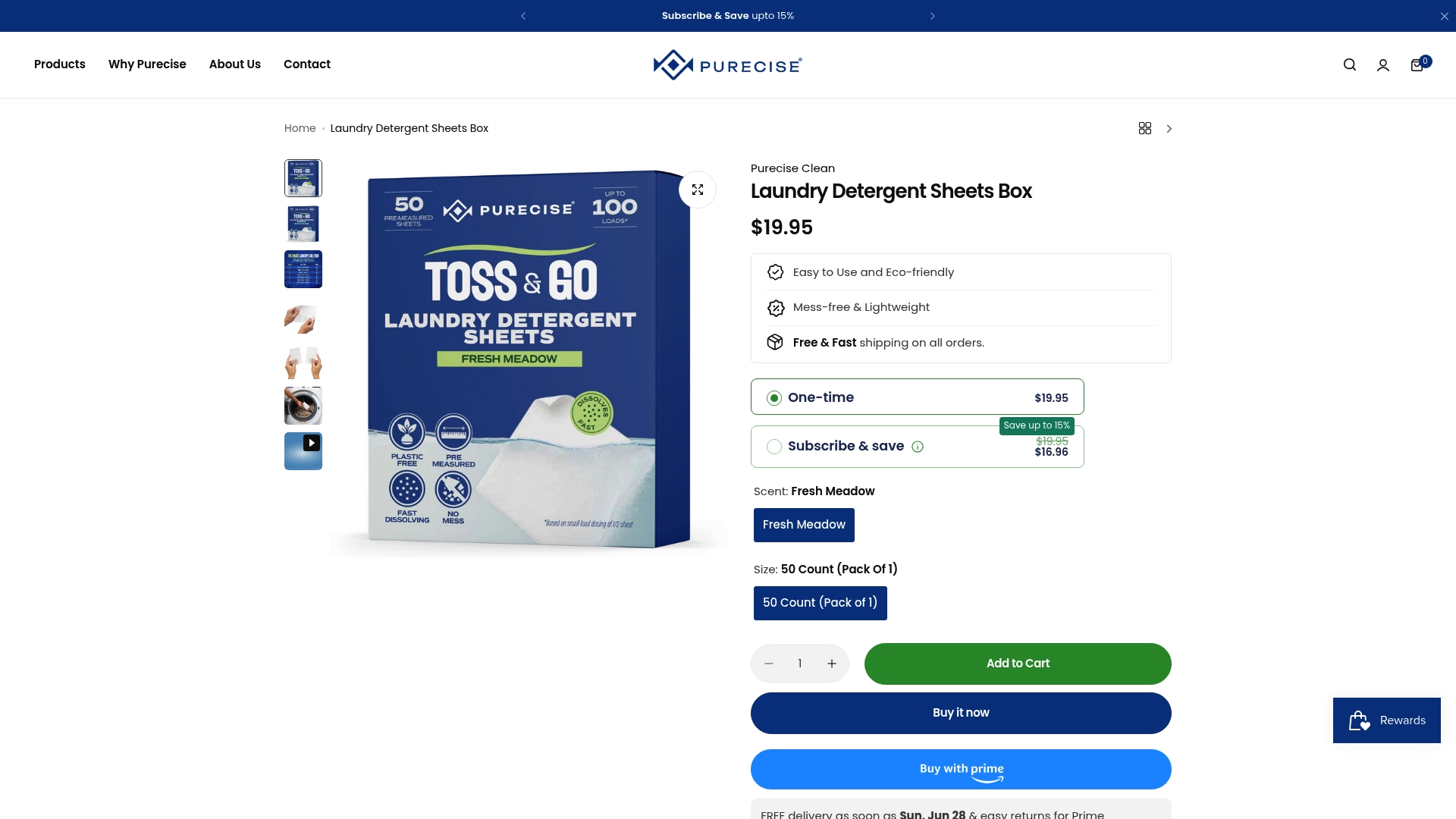
Once you’ve flushed and pretreated, the wash is where it all comes together. Our Toss & Go Laundry Detergent Sheets are pre-measured, so there’s no jug to tip and no dose to eyeball. Each sheet dissolves fully in hot or cold water, which suits the cold-first rule for fresh berry stains. They work in HE, front-load, top-load, and standard machines, or by hand in a sink.
Away from home, our sheets let you treat a stained shirt in a hotel sink or a friend’s machine. If you’d like a deeper look at stain care across fabrics, our guide to treating food stains on different fabrics is a good next read. When you’re ready, grab a box of Toss & Go sheets and keep your next wash simple.
FAQ
Do berry stains come out?
Yes, most berry stains come out when you treat them quickly with cold water and keep them away from heat. Older or heat-set stains take more rounds of enzyme or oxygen-bleach soaking, but they often fade.
Does Dawn remove blueberry stains?
Dish soap can help lift a fresh blueberry stain, especially on carpet and upholstery, where a mild mix of dish soap and lukewarm water is a gentle first step. On clothing, an enzyme detergent is usually the stronger pretreat.
What is the best stain remover for berries?
An enzyme-based detergent is the best starting point for washable fabrics, followed by a color-safe oxygen bleach for stubborn marks. Raspberry juice guidance points the same way: cold rinse, enzyme detergent, then oxygen-action products if needed.
Does hydrogen peroxide remove berry stains?
Peroxide can, mainly on whites and some colorfast fabrics, but only after a patch test on a hidden seam.
Sources
- Johnson
- C638 Spot and Stain Removal Guide for Washable Fabrics
- How to Remove Berry Stains From Clothes and Linens
Recommended
Related Posts

Remove Makeup Stains on the Go With a 10–15 Minute Pretreat

Remove Lipstick Stains: The First 15 Minutes, Plus Detergent Sheets

How Often to Wash Towels: Bath Weekly, Hand Towels Every Few Days

Detergent Allergy Rash: Test a Low Residue Wash Without Fragrance

Save Clothes From Mud Stains in 1–2 Hours With Premeasured Sheets

Fabric First Sweat Stain Fixes: Measured DIY Recipes and Sheets


