

How to Wash Canvas Without Ruining It
Yes, you can wash most canvas items. The method depends almost entirely on what kind of canvas you have and what’s attached to it.
Here’s what changes the answer:
- Waxed or oil-treated canvas: Never use detergent or machine wash. Cold water and a soft cloth only.
- Plain, unwaxed cotton canvas: Hand-washing is safe; machine washing is often fine if the care label allows it.
- Items with metal hardware, leather trims, or glued linings: Spot clean or hand-wash only. Machine agitation can separate adhesives and corrode hardware.
- Printed designs: Avoid soaking. Turn inside out and use cold water to protect the print.
- No care label: Default to hand-washing and always spot-test a hidden area first.
Before you do anything else, check the care label and run a quick spot test. Those two steps take two minutes and prevent most cleaning disasters.
Key Takeaways
Most canvas items can be safely washed at home using cold water, a gentle detergent, and air drying, as long as you identify the canvas type and protect hardware and trims before you start.
| Point | Details |
|---|---|
| Check the label and spot-test first | Always verify canvas type and colorfastness before any full wash to avoid irreversible damage. |
| Waxed canvas needs cold water only | Detergent and machine washing strip the wax coating; re-wax when waterproofing fades. |
| Hand-wash is the safest default | Cold water, gentle scrubbing with the grain, thorough rinsing, and air drying protect structure and color. |
| Machine wash only for plain canvas | Use cold water, a gentle cycle, low spin, and a mesh bag; never tumble dry on heat. |
| Purecise detergent sheets reduce overdose risk | Pre-dosed, plant-based sheets dissolve fully in cold water and are safe for canvas fibers and coatings. |
Table of Contents
- How can you tell what kind of canvas you have?
- What you need before you start washing
- Hand-washing canvas: the safest method, step by step
- Machine washing canvas: when it’s safe and how to do it right
- Cleaning waxed or oil-treated canvas: do not use detergent
- Canvas shoes and tote bags: practical do’s and don’ts
- Quick stain-removal guide for common stains
- Drying, shrinkage, and storage
- When not to wash at home
- Why detergent choice matters for canvas
- Gentle detergent that works for canvas washing
- Sources
How can you tell what kind of canvas you have?
The cleaning method that works for a plain canvas tote will strip the water resistance right off a waxed field bag. Getting this identification right is the whole game.
Physical checks: Run your hand across the surface. Waxed canvas feels slightly tacky or stiff, has a dull sheen, and water beads on it rather than soaking in. Plain cotton canvas feels soft and matte, and water absorbs quickly. Oil-treated canvas sits somewhere in between: less waxy to the touch but still somewhat water-resistant.
Label and construction clues: Look for a care label sewn into a seam or interior pocket. Symbols showing a hand-wash basin, a crossed-out machine, or a crossed-out triangle (no bleach) tell you a lot. Sealed or glued seams, a stiff backing, or a visible coating on the reverse side all suggest the canvas has been treated.
Spot test: Dab a small amount of cold water on an inconspicuous area, like the inside of a strap or the bottom corner. If the water beads, the canvas is treated or waxed. If it soaks in and the color darkens slightly but returns to normal when dry, you have plain canvas. According to Maytag’s canvas care guide, always perform a spot test before applying any cleaning solution to check for color transfer or spotting.
Pro Tip: If water soaks in and the color stays darker even after drying, that canvas may bleed. Test with a damp white cloth pressed against the fabric for 30 seconds before committing to a full wash.
What you need before you start washing
Getting the prep right saves the item. Skip it and you risk grinding dirt deeper into the weave or scratching hardware against the drum of your machine.
Supplies checklist:
- Soft-bristle brush (an old toothbrush works for seams and corners)
- Mild, plant-based detergent or a pre-dosed detergent sheet
- Basin or sink large enough to submerge the item
- Mesh laundry bag (for machine washing)
- Clean soft cloths or a sponge
- Dry towels for reshaping
Prep steps:
- Empty every pocket and compartment.
- Remove or unclip hardware where possible. Pad metal rings or buckles you can’t remove with a small cloth.
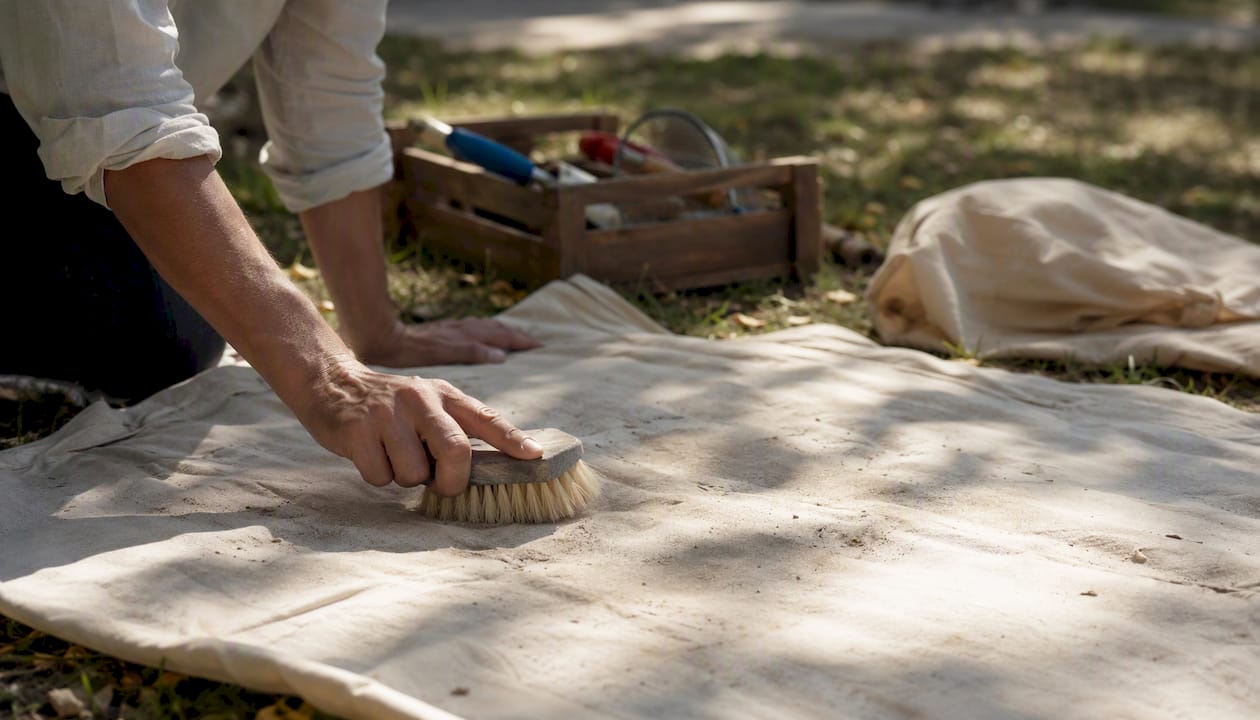
- Use the soft brush to knock off loose dirt, dust, and debris. Work from the outside in, following the grain of the weave.
- Run your spot test on a hidden area if you haven’t already.
Pro Tip: A pre-dosed detergent sheet is ideal here. Drop one into a basin of cold water and it dissolves completely, no measuring, no risk of using too much soap. Excess detergent is one of the most common reasons canvas comes out stiff or with a residue ring.
Hand-washing canvas: the safest method, step by step
Hand-washing works for nearly every canvas item, waxed or not (with the waxed exception covered below). It gives you control that a machine simply can’t match.
Step 1: Brush first. Dry-brush the entire surface before any water touches it. Woven canvas traps grit between fibers, and wetting it before brushing pushes that grit deeper.
Step 2: Make your cleaning solution. Fill a basin with cold or lukewarm water. Add a small amount of mild detergent — or one pre-dosed sheet — and stir gently. Hot water is off the table: canvas shrinks and distorts with heat, and the damage is usually permanent.
Step 3: Pre-treat stains. Apply a small amount of detergent solution directly to any stained areas with a soft cloth or toothbrush. Let it sit for five minutes before scrubbing.
Step 4: Wash with the grain. Submerge the item and use a soft cloth or sponge to scrub in the direction of the weave. Circular scrubbing can pill the surface and distort the fabric’s structure.
Step 5: Rinse thoroughly. Drain the basin and refill with clean cold water. Rinse until no soap remains. Soap residue left in canvas stiffens the fabric and attracts more dirt.
Step 6: Remove excess water carefully. Press the item gently between two dry towels. Do not wring or twist — wringing distorts the shape and can crack any coating.
Step 7: Reshape and air dry. Stuff the item lightly with clean towels or tissue paper to hold its shape, then let it dry in a shaded, well-ventilated area.
Avoid over-wetting structural canvas items. Bags with cardboard inserts, stiffened bases, or bonded linings can warp if fully submerged. For those, stick to targeted spot cleaning rather than a full soak.
Canvas ETC’s care guide confirms that unwaxed canvas responds well to cold-water hand-washing with a gentle detergent, and that occasional machine washing is acceptable for simpler items like aprons or cushion covers.
Machine washing canvas: when it’s safe and how to do it right
Machine washing is a reasonable option for plain, unwaxed cotton canvas with no delicate trims, no leather, and no printed graphics that could crack. The care label is your permission slip. If it shows a machine-wash symbol, you’re clear. If there’s no label, hand-wash.
Settings that matter:
- Cold water only
- Gentle or delicate cycle
- Low spin speed
- Mesh laundry bag around the item
What to avoid:
- Bleach or any chlorine-based product (weakens cotton fibers)
- Fabric softener (coats fibers and reduces breathability)
- Hot water or warm water cycles
- Tumble drying on heat
Hardware and trim protection:
- Turn the item inside out before loading
- Pad or remove metal hardware
- Wrap leather or faux-leather straps in a cloth or small towel
Maytag recommends using a mesh laundry bag to reduce abrasion during the cycle. Pause the machine mid-cycle once to check that hardware isn’t banging against the drum. After the cycle, remove the item immediately — sitting in a damp drum encourages mildew.
Machine washing plain cotton canvas can save time, but hand-washing is still the better call when the item has structure, mixed materials, or any kind of print, as Canvas ETC notes.
Cleaning waxed or oil-treated canvas: do not use detergent
Waxed canvas is built around its coating. That wax layer is what makes a field bag or canvas tarp shed rain, resist abrasion, and age well. Soap strips it. Machine washing destroys it. Once the wax is gone, the fabric is just canvas — and re-waxing from scratch takes more effort than the cleaning was worth.
The rule for waxed canvas is simple: cold water, soft cloth, nothing else. Spot clean problem areas by dampening a cloth with cold water and rubbing gently. Let it air dry completely before storing or using.
Humphrys’ canvas maintenance guide is direct on this: machine washing removes the wax-based water-repellent treatment entirely, and soap — even mild soap — accelerates that stripping. The guidance is to use a mild, pH-neutral approach for tarps and similar items, but for waxed bags and jackets, cold water alone is the standard.
Reproofing: When water stops beading on the surface, it’s time to re-wax. Apply a dedicated wax product (such as a canvas wax bar or paste) to the clean, dry surface, work it in with your fingers or a cloth, and use a hair dryer on low heat to help it penetrate the weave. KingCanvas’s care guide recommends reproofing after any deep cleaning or whenever waterproofing visibly fades.
Canvas shoes and tote bags: practical do’s and don’ts
Shoes
Remove laces and insoles before cleaning. Both can be hand-washed separately. For the shoe itself, hand-washing in cold water with a soft brush is the safest route. If the care label allows machine washing, use a mesh bag on a gentle cold cycle — but skip the dryer entirely. Heat melts the adhesives that bond the sole to the upper, and that damage is irreversible. Reshape the shoe with crumpled paper towels and air dry away from direct sunlight.
Tote bags
Turn the bag inside out if it has a printed exterior. This protects the graphic from direct friction during washing. For bags with leather or faux-leather handles, avoid submerging those sections. Spot clean the straps with a damp cloth instead. If the bag has a structured base or cardboard insert, remove it before washing.
For canvas totes used to carry groceries or heavy loads, check the seams and corners before choosing the right tote bag size and washing. Machine agitation can stress those points. If seams look worn, hand-wash and let the bag dry flat to avoid stretching. Tote bag construction varies widely, so knowing your bag’s dimensions and materials helps you choose the right method.
Hardware protection applies to both shoes and bags: pad metal eyelets, buckles, and rings with a small cloth before machine washing, or remove them entirely if they unscrew or unclip.
Quick stain-removal guide for common stains
Act fast. Most stains set within 30 minutes on canvas, and a set stain is significantly harder to lift. For food and beverage stains on canvas bags or aprons, the Purecise stain removal guide covers cross-fabric techniques worth bookmarking.
| Stain | Immediate action | Cleaning method | Caution |
|---|---|---|---|
| Mud | Let dry completely, then brush off | Cold water + mild detergent, soft brush | Never rub wet mud — spreads it deeper |
| Oil/grease | Blot with a dry cloth; apply baking soda | Work in a small drop of dish soap, rinse cold | Avoid hot water — sets the grease |
| Coffee | Blot immediately, do not rub | Cold water + mild detergent, rinse thoroughly | Warm water can set the tannins |
| Ink | Blot with rubbing alcohol on a cotton ball | Dab, do not scrub; follow with cold water rinse | Test alcohol on a hidden area first |
When a stain has been sitting for days, or involves dye transfer from another fabric, professional cleaning is the safer call. The Spruce’s canvas shoe cleaning guide notes that some set-in stains may be permanent without specialist treatment.
Drying, shrinkage, and storage
Air drying is non-negotiable for canvas. A dryer on any heat setting risks shrinkage, warping, and color fading. Even a “low heat” tumble cycle can distort a structured bag or cause a canvas shoe to pull away from its sole.
Drying best practices:
- Dry in a shaded, well-ventilated spot. Direct sunlight fades color and can weaken cotton fibers over time.
- Reshape the item while it’s still damp. Stuff bags with towels or tissue paper; place shoes on a shoe tree or stuff with paper.
- Allow full drying before storing. Canvas that goes into a closet even slightly damp will develop mildew within days.
On shrinkage: Hot water and tumble drying are the two main causes. Cold water and air drying minimize the risk significantly, as HomeGearGeek’s machine-washing guide confirms. If you’re washing a canvas item for the first time, hand-wash in cold water and check the dimensions after drying before committing to a machine cycle.
Storage: Store clean, fully dry canvas in a breathable cotton bag or pillowcase. Plastic bags trap moisture and create the exact conditions mildew needs. For bags, stuff them lightly to maintain shape. Rotate stored items occasionally — a canvas bag pressed flat against a shelf for months can develop permanent creases.
When not to wash at home
Some canvas items are better left to professionals. Attempting a DIY clean on the wrong item can cause irreversible damage in under ten minutes.
Red flags that mean professional cleaning is safer:
- The item is expensive, vintage, or has sentimental value
- Construction involves multiple bonded materials (leather, suede, waxed canvas, and plain canvas combined)
- There is visible mold or mildew across seams or interior lining
- Dye transfer from another fabric has stained the canvas
- The waxed or oil-treated canvas has ingrained contaminants that cold water alone won’t shift
- The care label explicitly says “dry clean only”
Quick triage checklist:
- Spot test a hidden area with cold water.
- Try a small-area treatment on the stain before committing to a full wash.
- If either step produces color bleed, surface damage, or the stain spreads, stop and consult a professional.
Professional cleaners can reproof waxed canvas, apply specialized solvent treatments for set-in stains, and handle structural repairs that home washing would only worsen. For waxed canvas with ingrained dirt, that’s often the only route that preserves the coating.
Why detergent choice matters for canvas
Harsh detergents don’t just clean canvas — they degrade it. Bleach weakens cotton fibers at the molecular level, and high-pH detergents can strip coatings and fade dyes. The wrong detergent on a colored canvas bag can leave it looking washed out after a single cycle.
What to look for in a canvas-safe detergent:
- Plant-based surfactants that clean without stripping fiber integrity
- Hypoallergenic formula, especially for items used around food or by children
- Low-foaming formula that rinses cleanly in cold water
- Pre-dosed format to eliminate the risk of overuse
Pre-dosed formats matter more than most people realize. Too much detergent in a hand-wash basin or machine cycle leaves a residue that stiffens canvas and attracts dirt faster. A pre-dosed sheet dissolves fully in cold water and delivers exactly the right amount, every time.
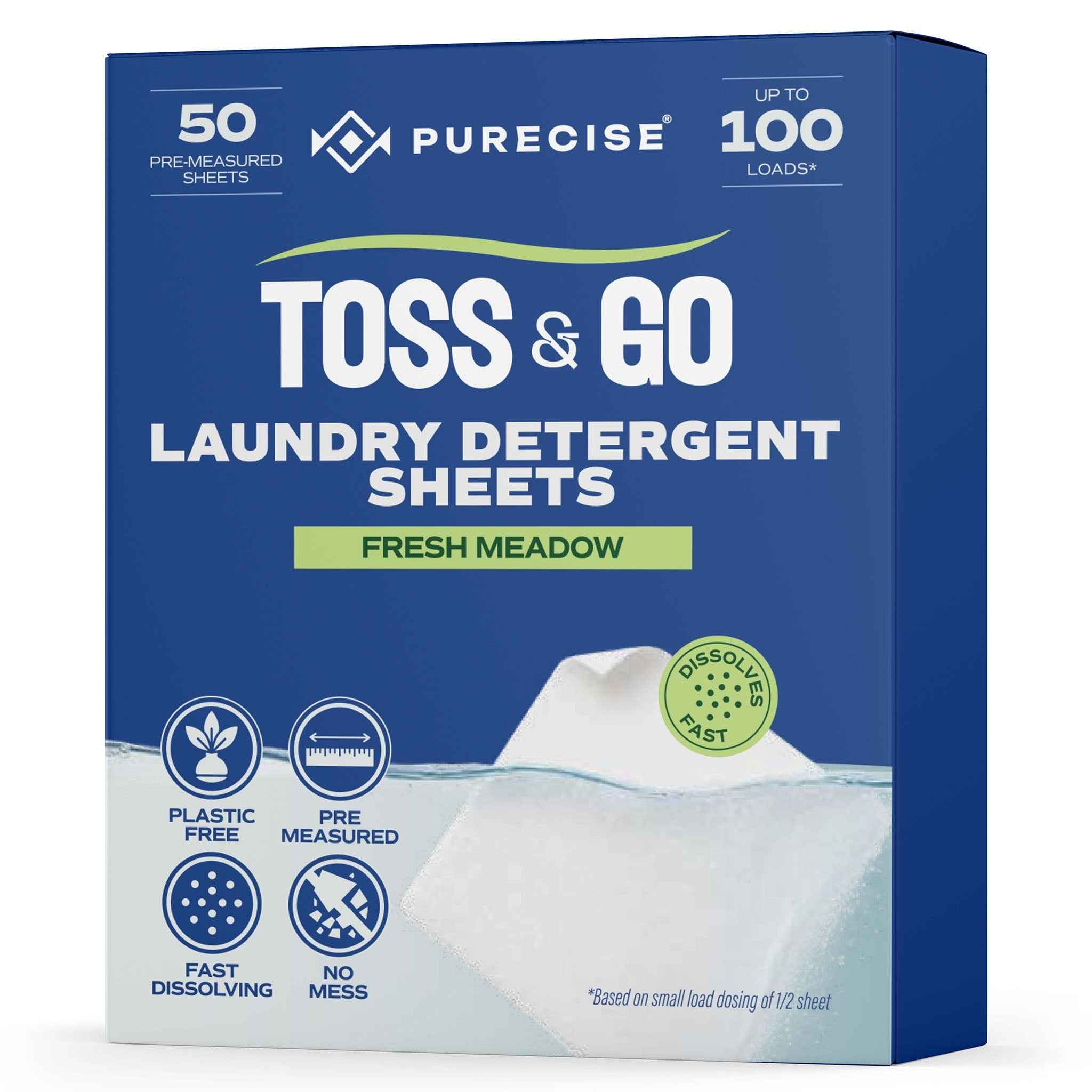
Purecise Laundry Detergent Sheets Envelopes and the Laundry Detergent Sheets Box check every one of those boxes: plant-based, hypoallergenic, pre-dosed, and formulated to dissolve completely in cold water. For canvas hand-washing specifically, the pre-dosed format removes the single most common user error — overloading the basin with soap. The clean ingredient checklist on the Purecise blog is worth a read if you want to understand exactly what’s in your detergent and what to avoid.
One thing most guides skip
The spot test gets mentioned everywhere, but almost nobody talks about what to do when it fails. If your spot test shows color bleed or surface damage, that’s not a reason to give up — it’s a reason to slow down. Try a weaker solution (more water, less detergent) on a second hidden area. If that also bleeds, you have a canvas that needs professional attention or a very targeted, nearly dry-cloth spot clean. Patience with air-drying matters just as much. A canvas bag pulled off the drying rack while still slightly damp and stuffed back into a closet will smell musty within 48 hours, and that smell is harder to remove than the original stain.
Gentle detergent that works for canvas washing
Washing canvas well comes down to two things: the right method and the right detergent. Purecise detergent sheets give you both in one compact format. Each sheet is pre-dosed, dissolves fully in cold water, and uses a plant-based, hypoallergenic formula that won’t strip canvas coatings or fade colors.
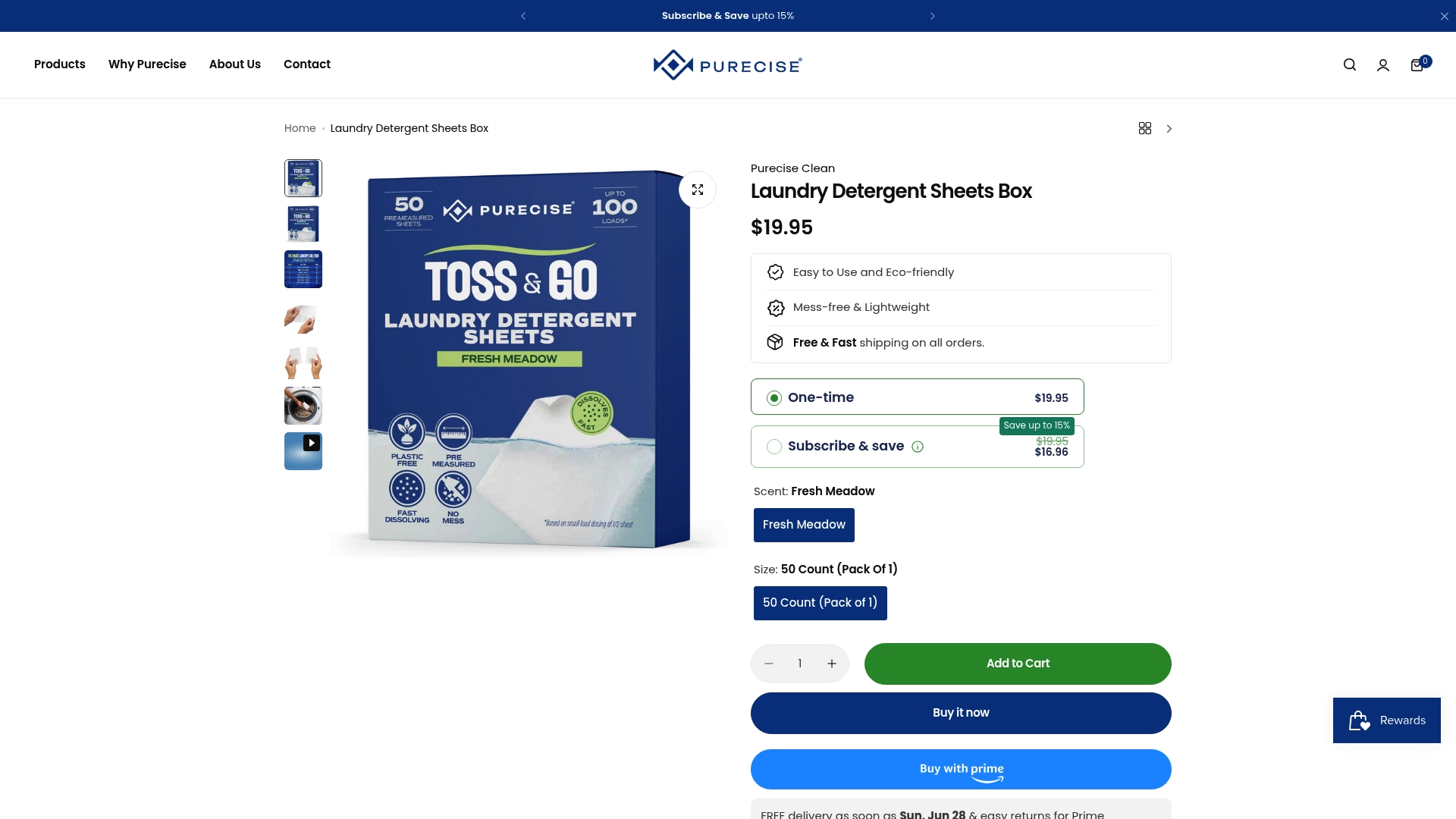
For hand-washing a canvas tote on a trip, toss one envelope in your bag. For a machine cycle on plain canvas aprons or cushion covers, drop a sheet directly into the drum. No measuring, no plastic jug, no residue. The Laundry Detergent Sheets Box covers a full month of laundry and fits in a drawer. The Laundry Detergent Sheets Envelopes are the travel-size option. Try them on your next canvas wash and see the difference a properly dosed, gentle detergent makes.
Sources
- How to Clean Canvas Step by Step | Maytag
- Can you wash canvas in the washing machine? | HomeGearGeek
- How to Clean Canvas Tarps: Care & Maintenance Guide | Humphrys
- 11 Canvas Care Tips For Cleaning And Maintenance | Canvas ETC
- Keeping it clean: How to wash and care for your canvas items | KingCanvas
Recommended
- How to Wash Clothes Without a Washing Machine (And the One Supply Most – Purecise Clean
- How to Wash Clothes Without a Laundromat Traveling – Purecise Clean
- How to Wash Uniforms Without a Washer or Dryer – Purecise Clean
- Mastering Stain Removal: How to Treat Food Stains on Different Fabrics – Purecise Clean
How Enzyme Cleaners Work for Natural Stain Removal
Non-Toxic Cleaning and Your Infant's Health: What Parents Need to Know
Related Posts

Fabric First Sweat Stain Fixes: Measured DIY Recipes and Sheets

Whiten White Clothes, No Chlorine: 4–8 Hour Soak, Premeasured Sheets

Remove Blood Stains from Clothes: Cold Water, Enzyme Soak, No Dryer

Pet Owners: Remove Hair from 5 Surfaces with a Washer and Dryer Trick

Wash Sheets Weekly, Dry Them Fully, and Stop Dosing Guesswork

6 Quick Steps to Remove Oil Stains at Home Without Ruining Clothes

Save Space: 50 Sheets Cover 50–100 Loads for Airbnb Hosts


